
Let me guess. You’re planning your next Instagram ads and are stuck on one question.
Should I go with a stop motion food video or a traditional video?
Both formats work. The real question is when, why, and how to use each one as part of a smart social media content strategy. Let’s break it down together.
The Difference Between Stop Motion And Traditional Video
At a glance, both formats move, but they feel very different when you scroll.
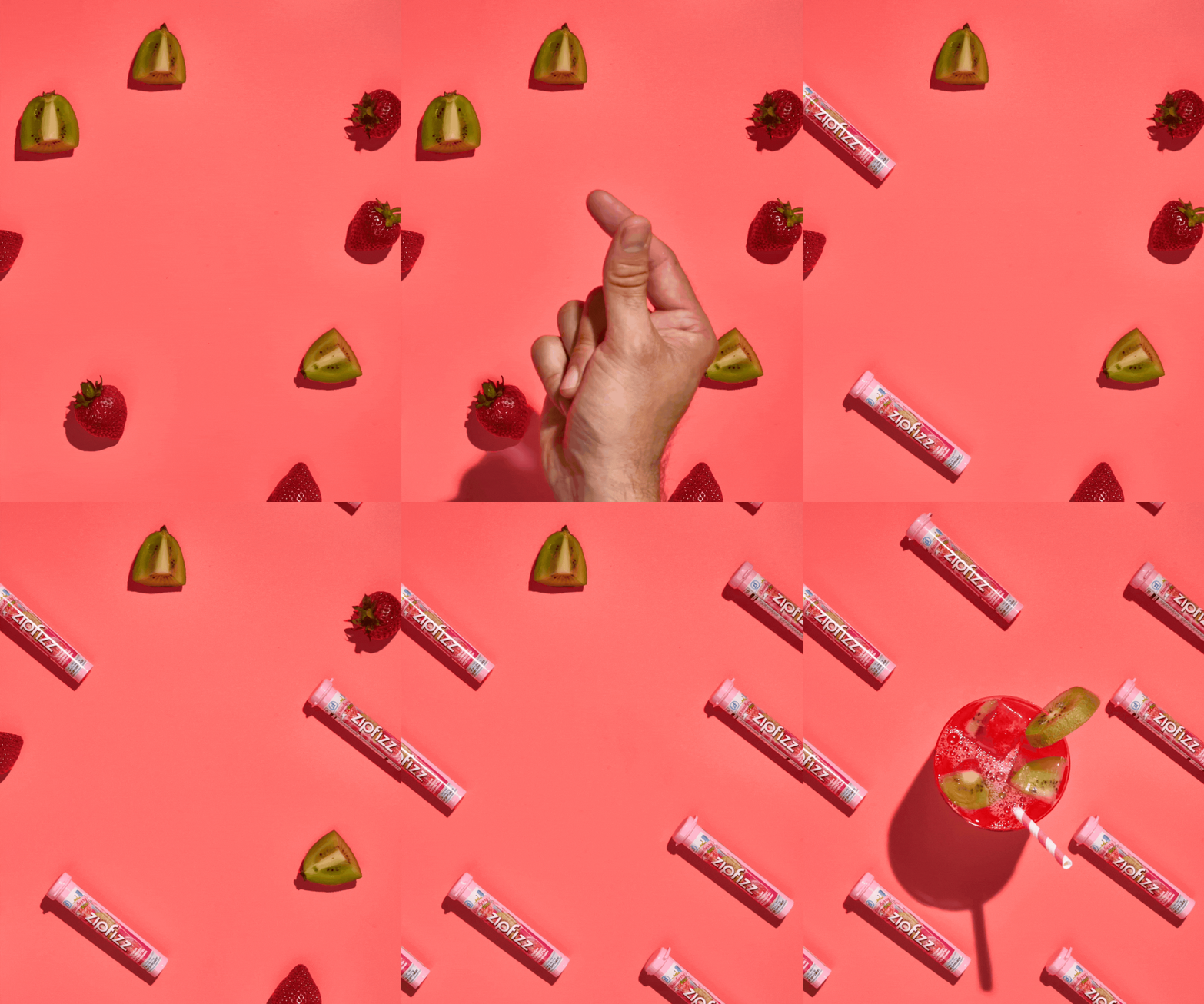
A stop motion is built frame by frame. Products jump, pour, flip, or assemble in a playful, intentional way. It feels crafted, almost like a visual ASMR for food lovers.
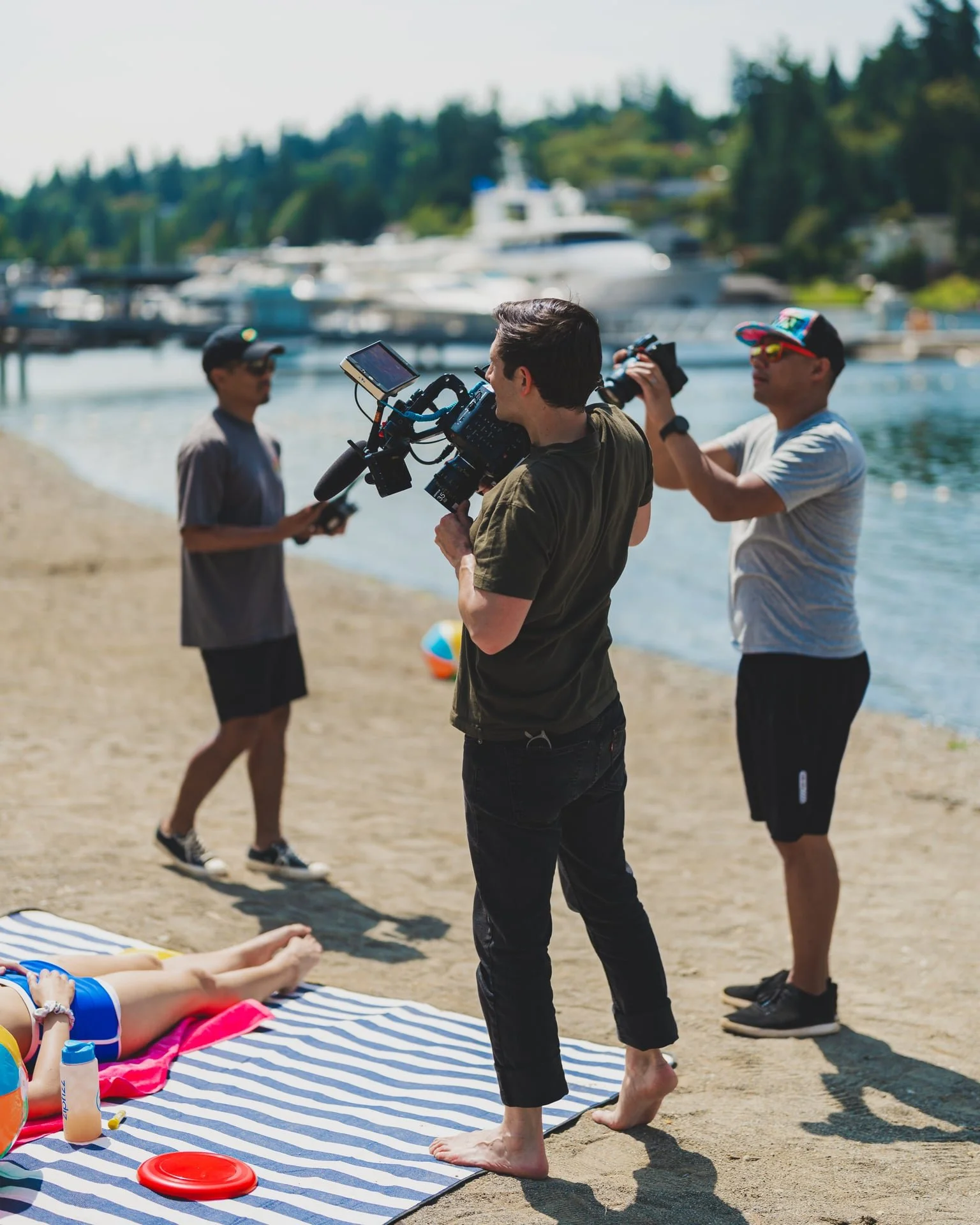
Traditional video captures motion naturally. Think pours, bites, steam rising, or hands in action. It feels more human and story-driven.
On Instagram ads, this difference matters. Stop motion grabs attention fast. Video builds a connection over time. Knowing that distinction helps you pick the right tool for the job.
When Stop Motion Works Best
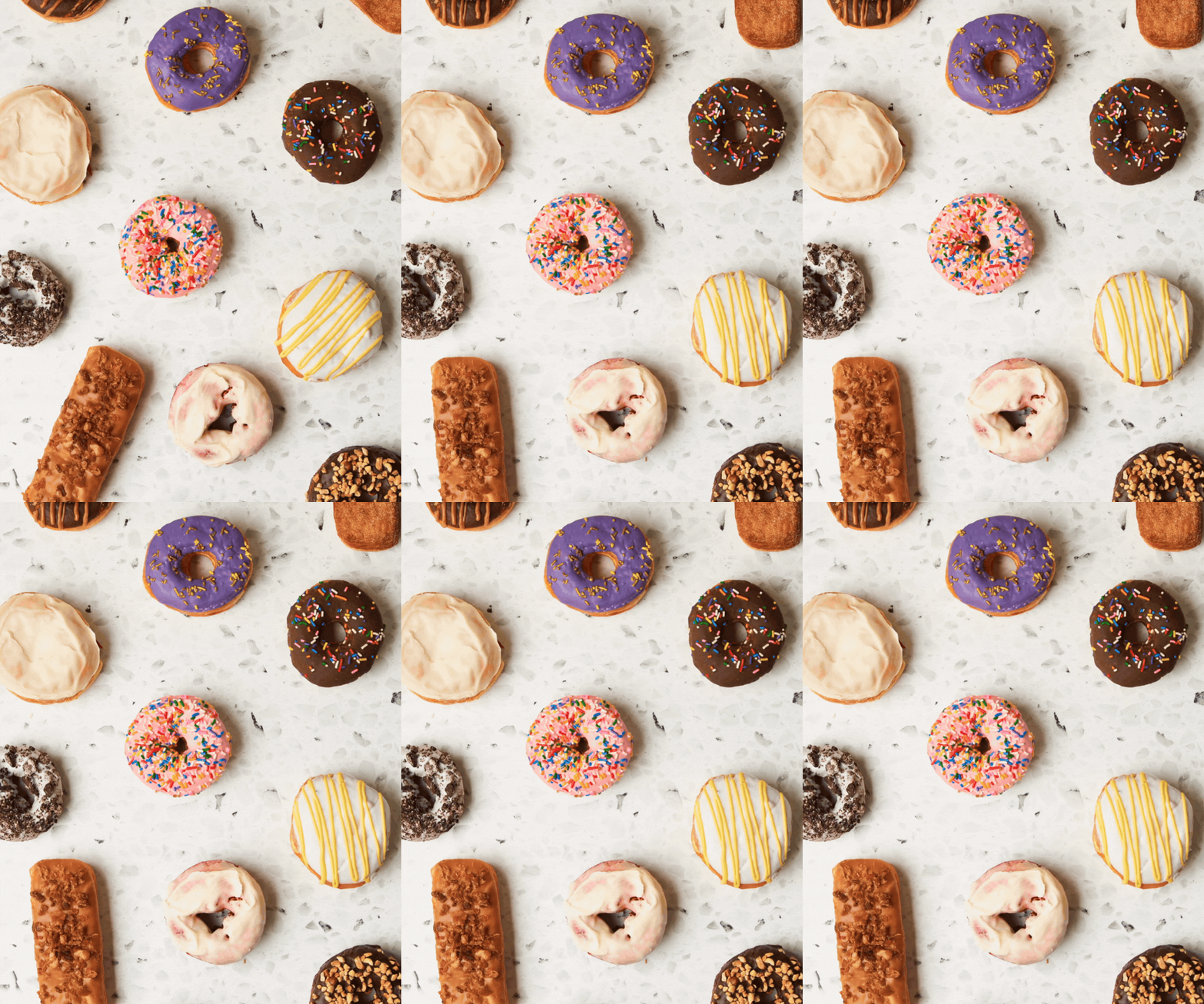
If your goal is to stop the scroll, stop motion is hard to beat.
Stop motion works especially well when:
You’re launching a new product.
Packaging details matter.
You need to explain something quickly.
Your ad needs to loop cleanly.
Because the movement is controlled, your product stays the hero. Meta has shared that people decide whether to keep watching an ad within the first two to three seconds. That’s huge. Stop motion makes that easy because the movement feels unexpected and deliberate.
I’ve seen brands use stop motion to clearly show benefits, flavors, or formats without relying on sound. That’s a big win, especially since many people watch Instagram ads muted.
Engagement Rates And Attention Span
Let’s talk about performance.
According to Adobe, short-form video is still the top content format for engagement on social platforms. At the same time, reels and video ads perform best when they feel native and fast-paced.
Here’s where it gets interesting. Stop motion often earns higher initial engagement because it’s visually different. Traditional video tends to win on watch time and completion rates when there’s a story or personality involved.
That’s why I rarely recommend choosing just one. The strongest social media content strategy uses stop motion to hook viewers and video to build trust.
Production Costs And Timelines
This part surprises a lot of brands.
Stop motion often looks simple, but it’s detailed work. Styling, spacing, lighting, and frame consistency matter. The upside is control. Once the shot list is approved, production runs smoothly and predictably.
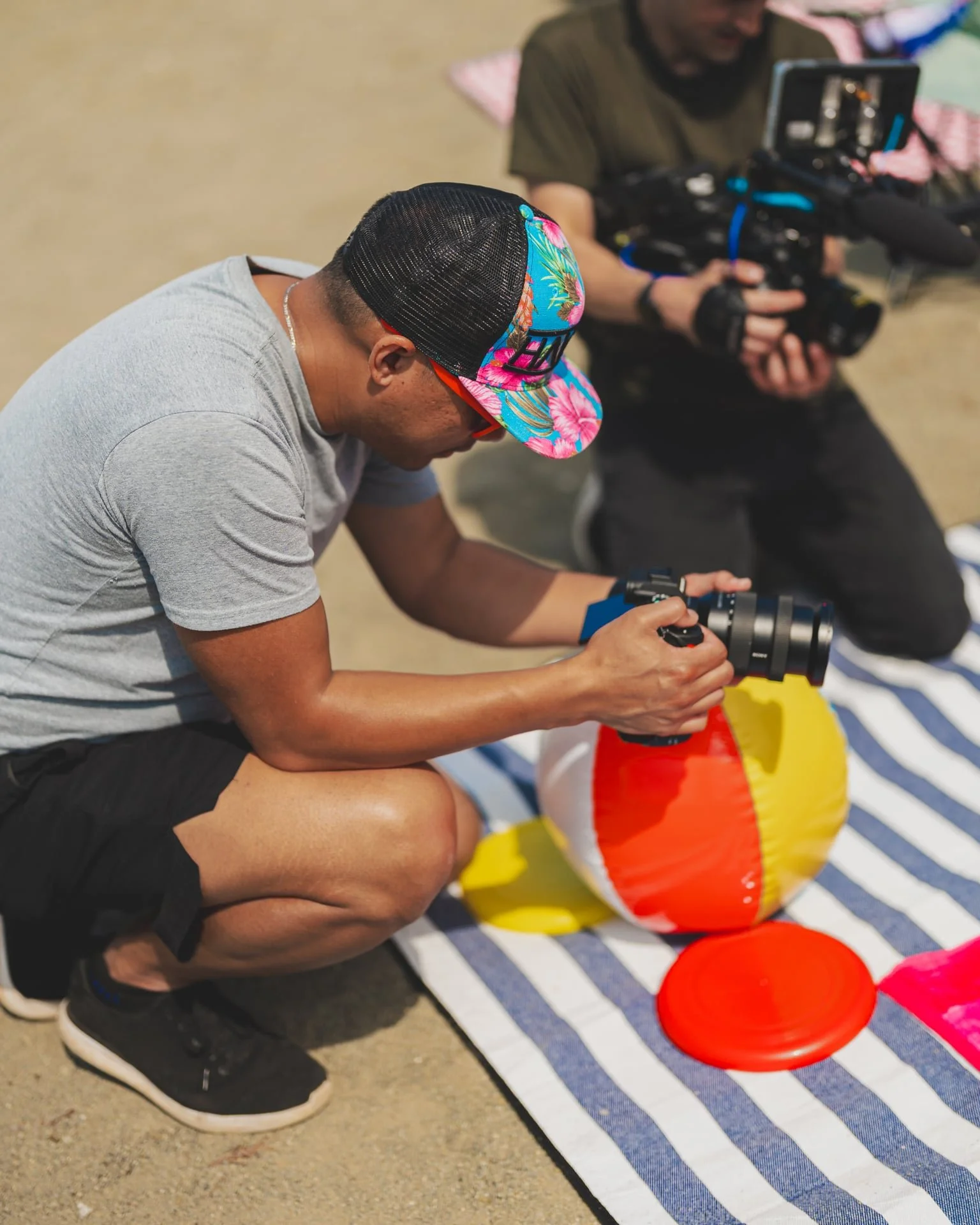
Traditional video usually moves faster on set but can take longer in post.
Music, pacing, and narrative choices add layers.
In general:
Stop motion food video offers predictable timelines and easy repurposing.
The video may need more revisions and longer editing time.
If you need fast turnarounds for Instagram ads, stop motion is often easier to scale across formats.
Platform-Specific Considerations For Instagram Ads
Instagram favors motion and native-looking content.
Stop motion performs well in:
Feed ads
Story ads
Reels with clean loops
Traditional video performs best in:
Reels with audio
Founder-led or lifestyle content
Retargeting ads that build trust
Instagram’s best practices show that vertical, mobile-first content performs best across placements. That applies to both formats.
So, Which One Should You Choose?
Here’s my honest take.
If you need attention fast, go stop motion.
If you need a connection, go video.
If you want consistent results, build a strategy that uses both.
That’s how you turn Instagram ads into assets instead of one-off posts.
If you’re planning your next Instagram ads and want help choosing the right mix, let’s talk. I’ll help you map out a content plan that actually works.
