
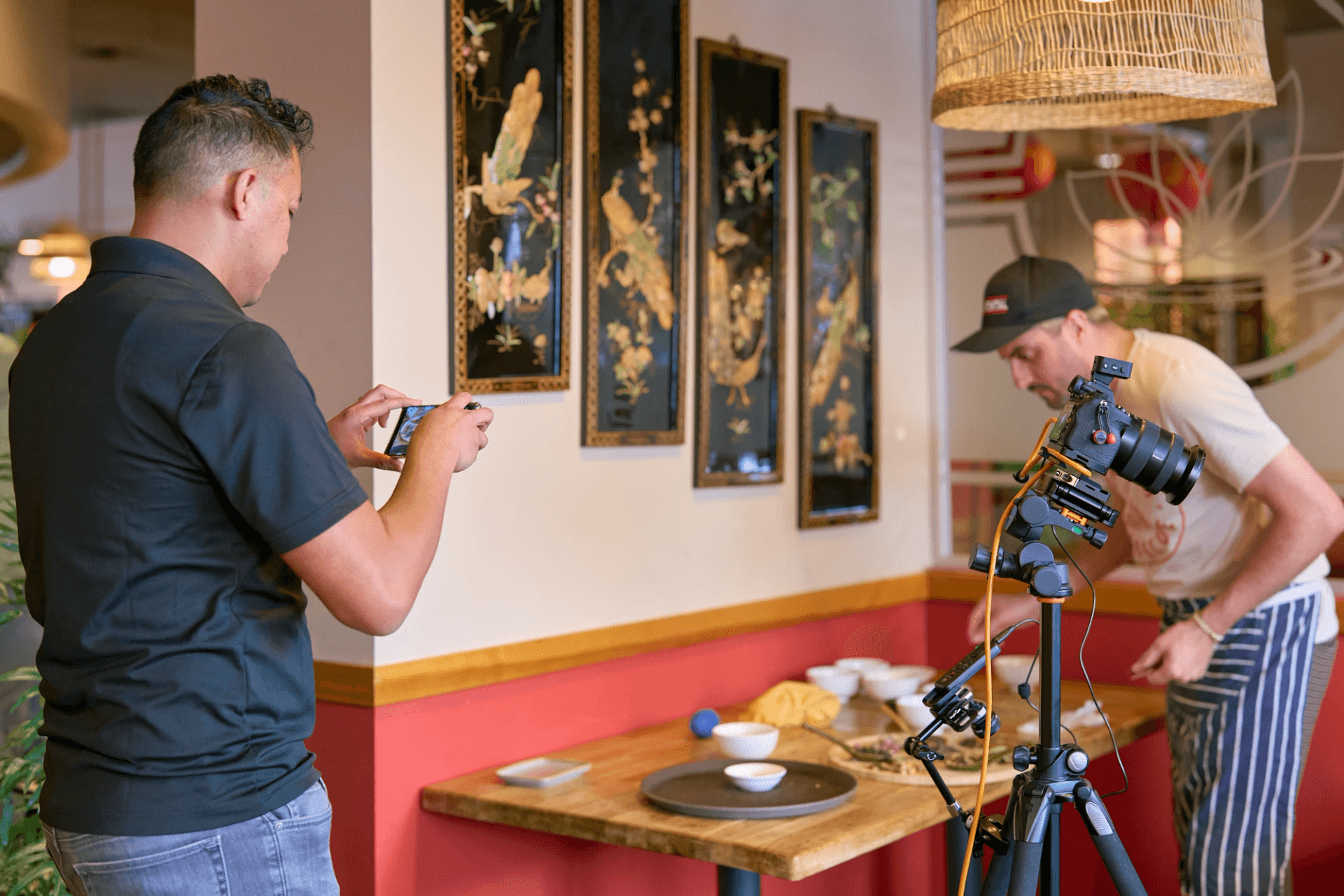
When I started shooting product photography, I thought a decent camera, a nice plate, and some natural light were all I needed. But after working with CPG brands, I’ve seen (and learned to fix) nearly every food photography mistake out there.
If you’re DIY-ing food photos for your brand, here’s the reality: bad images hold you back—but most mistakes are easy to fix. Here’s what I’ve learned from personal experience:
1. I Used to Think Any Light Would Do
I’ll never forget the time I photographed a bag of chips, and the lighting made it look like it was under harsh interrogation. Not exactly appetizing. The lighting didn’t quite match the vibe of the brand and didn’t highlight the chips in a way to make it appetizing.
What works best for me is placing my setup near a window with a sheer curtain to create soft, natural light. If I want even more control, I’ll use a softbox. Both approaches make food look more appetizing.
2. When Background Steals the Show
I’ve been guilty of snapping a drink photo on my kitchen counter—only to realize later that last night’s dishes totally photobombed the shot.
Now, I make sure to keep things clean and simple. Using a neutral backdrop or a textured board can quickly make your food photos look polished and match your brand.
3. Prop Overload Is Not Fun
I used to pile on the props, thinking it would make my shots more creative, but all it did was bury the product in clutter.
Now, I always put the product front and center, letting props play a supporting role. They should help tell your story, not steal the spotlight.
4. Over-Editing
I once edited so much my almond milk turned neon blue. Safe to say, nobody was craving that shot.
Now, I keep edits minimal—just adjusting exposure, white balance, and contrast. My rule: if it doesn’t look delicious in person, it won’t in the photo.
For more tips on elevating your food and drink photography game, check out this great resource from CreativeLive (one of my personal faves for sharpening photography skills).
5. Forgetting About Scale
I once photographed a chocolate box with nothing else in the frame, and it ended up looking like some kind of mystery prop.
Now, I’ll pop in a hand or a familiar object to show scale, so people know exactly what they’re getting (no more mystery bags).
6. The Classic Logo Fail (I’ve Done It Too)
I can’t tell you how many times I’ve nailed the lighting and styling, only to realize the logo was turned halfway out of frame.
Now, I always make sure labels are facing forward and easy to read. Trust me, I learned this the hard way during a rushed video shoot.
7. Flat Photos Don’t Sell Stories
A solo granola bag on white won’t make anyone hungry. Your visuals should tell your story.
When I shot for SkinnyDipped, I focused on joyful snacking moments. Your photos should make people crave your product.
8. Smudges, Fingerprints, and Wilted Garnishes Sneak on Camera
I’ve had shoots with wilted mint or smudged glasses sneaking into the frame. Not the look I wanted.
Now, I always keep a clean-up kit with paper towels, tweezers, and garnishes nearby. It’s saved more photos than I can count.
9. Not Adding Motion
Static shots are fine, but I’ve found that food and drink photography really comes alive when you add a little movement, such as a pour, a drizzle, or a dip.
Try adding some movement. Even a slow pour or a sprinkle of toppings brings energy you just can’t get from a still shot.
10. Biggest Product Photography Mistake: DIY-ing For Too Long
I get it—you’ve been scrappy, resourceful, and making it work with your iPhone and a bright window. That’s how a lot of brands start. But at some point, DIY product photography starts holding you back.
When you’re ready, investing in professional product photography can make all the difference.
The Hard Truth: DIY Can Only Take You So Far
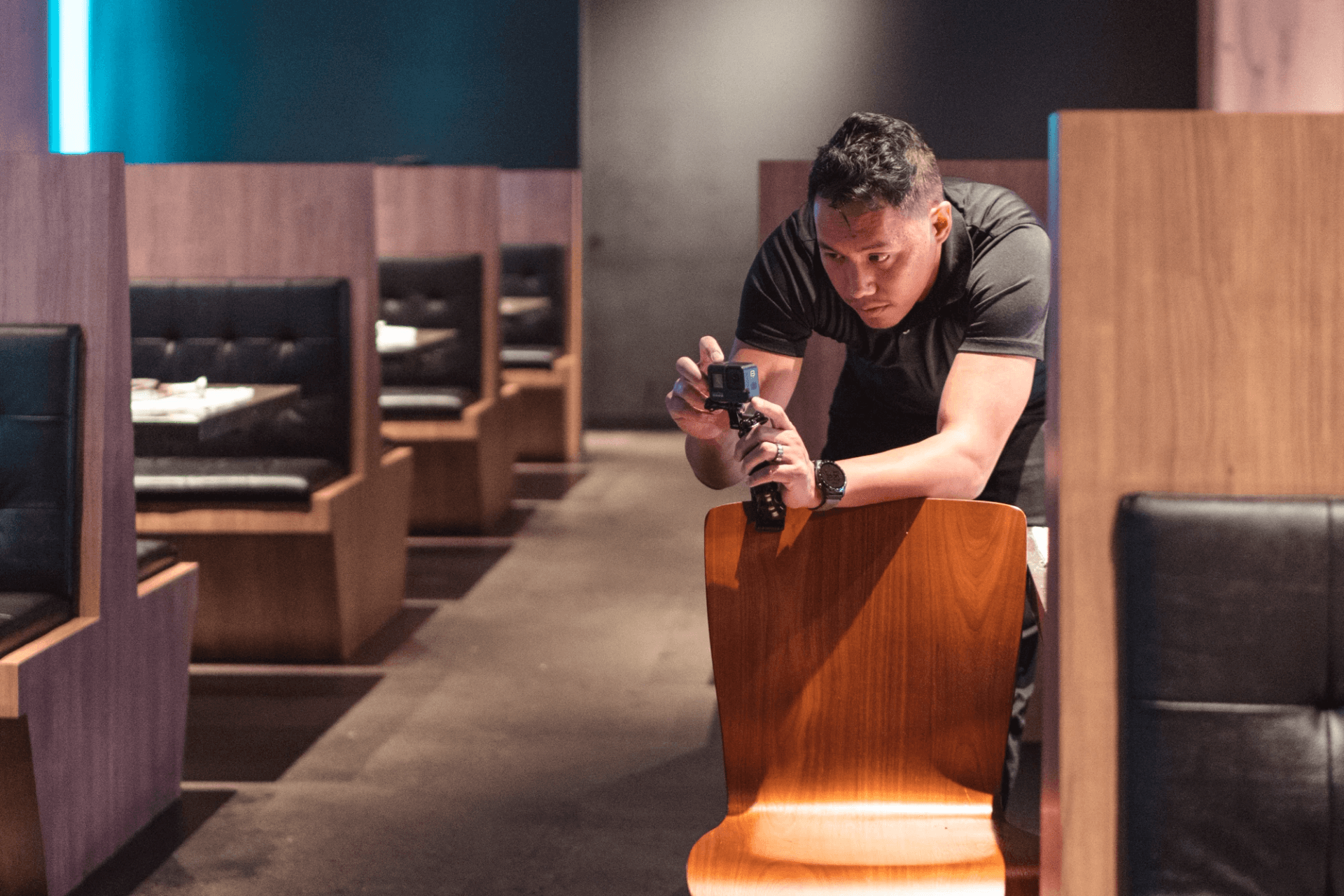
When I worked with brands like South 40 Snacks and Dilettante Chocolates, the shift happened the moment they invested in professional food and drink photography. Suddenly, their products weren’t just seen—they were craved. And that’s the power of high-quality product photography services: it sells your brand story as much as it shows your product.
So if you’ve been DIY-ing longer than you’d like to admit, consider this your sign—it might be time to call in the pros.
