
Mastering Shadows: How to Add Depth and Drama to Product Photography
Shadows might not be the star of the show—but trust me, they make the story come alive.
Hi, I’m Sean Misa, and I’ve spent more hours than I can count behind the camera (and under way too many hot studio lights). If there’s one thing I’ve learned, it’s this: mastering shadows in product photography can completely change how people feel about your brand.
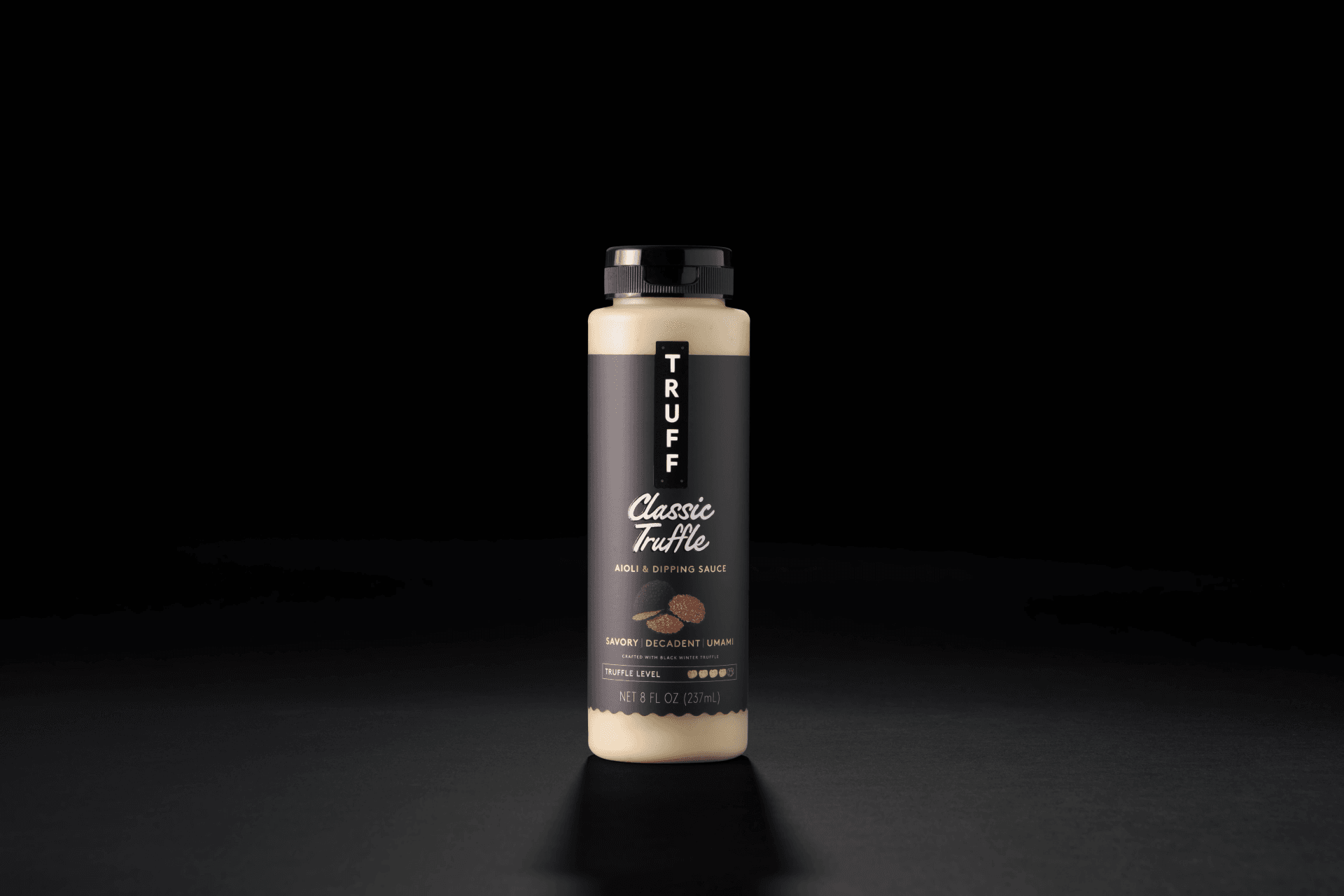
At MisaHungry Media, I’ve seen the right mix of light and shadow turn an oat milk carton into a moment of calm—or make a truffle sauce bottle look like a high-end indulgence. Shadows might seem subtle, but when used right, they make people feel something before they even know why.
Let’s dive into how you can use shadows to add that little extra drama—the kind that makes people stop scrolling mid-feed.
Why Shadows Deserve a Spotlight in Product Photography?
When I first started doing product photography, I thought great lighting meant perfect lighting—bright, flawless, even. But here’s the truth: perfect can be boring.
Light usually gets all the attention, but shadows are what make your visuals human. They add texture, mystery, and emotion. They make your latte foam look extra silky, your chocolate bar look rich, and your brand feel premium.
When we worked with Truff, we leaned into darker tones—those moody shadows matched their spicy, high-end personality. For Elmhurst 1925’s Oat Nog, we did the opposite: soft, cozy shadows that give off warm, holiday comfort vibes.
Every cpg brand has a personality, and shadows help you show it.
My Favorite Tricks for Creating Depth and Drama
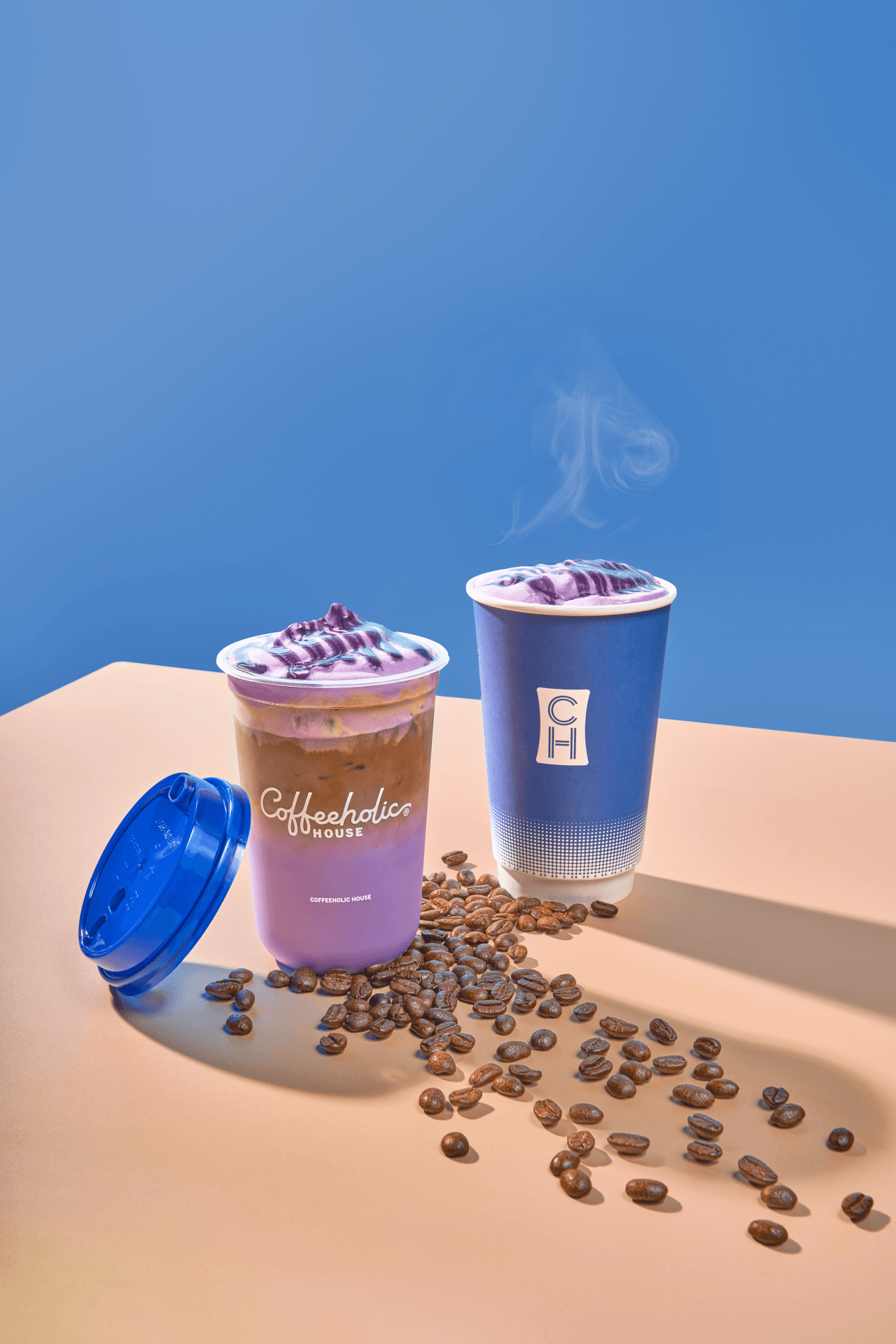
Before I ever touch a light or camera, I always ask myself one thing: “What emotion are we trying to capture here?” That single question shapes everything—from how the light wraps around a jar of matcha powder to how the shadows stretch across a marble countertop.
Here’s a peek into some of my favorite ways to make that magic happen:
1. Let the Light Slide from the Side
If you want that natural, editorial look, go for side lighting. It’s my go-to setup for food photoshoots, especially for drinks and desserts. It gives your photo movement and life—the kind that feels like you can almost taste it.
2. Layer Shadows Like a Story
For shoots like Truff, I love using multiple light layers to give the product texture and mood. A second light source, placed lower or farther back, can create a moody, cinematic feel that instantly elevates the brand. It’s like telling a story through light—every shadow becomes a sentence.
3. Add Motion for Visual Energy
In stop motion videos, I love letting shadows move slightly as the product shifts. It’s subtle, but it adds rhythm and energy—like the scene itself is breathing. These little nuances are what make the final product feel real and human, not overly polished.
4. Edit Thoughtfully—Not Excessively
Even with the best lighting, photo editing is still important. I like to enhance contrast just enough to make shadows pop—but never so much that it feels fake. I always think of editing like seasoning food: you want just enough to bring out the flavor. Never too much.
The Power of Shadows in Branding
This is where things get interesting. Shadows aren’t just visual—they’re emotional.
A playful snack brand might lean on bright, diffused shadows to feel lighthearted, while a premium beverage brand might embrace deeper tones for sophistication.
When we worked with Cantina Monarca, we went full drama mode—rich, layered drink photography that felt like nightlife bottled up in an image. Every tone, every contrast told a part of their story.
And for more geeky lighting tips, I’m a big fan of Digital Photography School—it’s a great resource for any creative looking to sharpen their craft.
Let’s Bring Your Vision to Light (and Shadow)
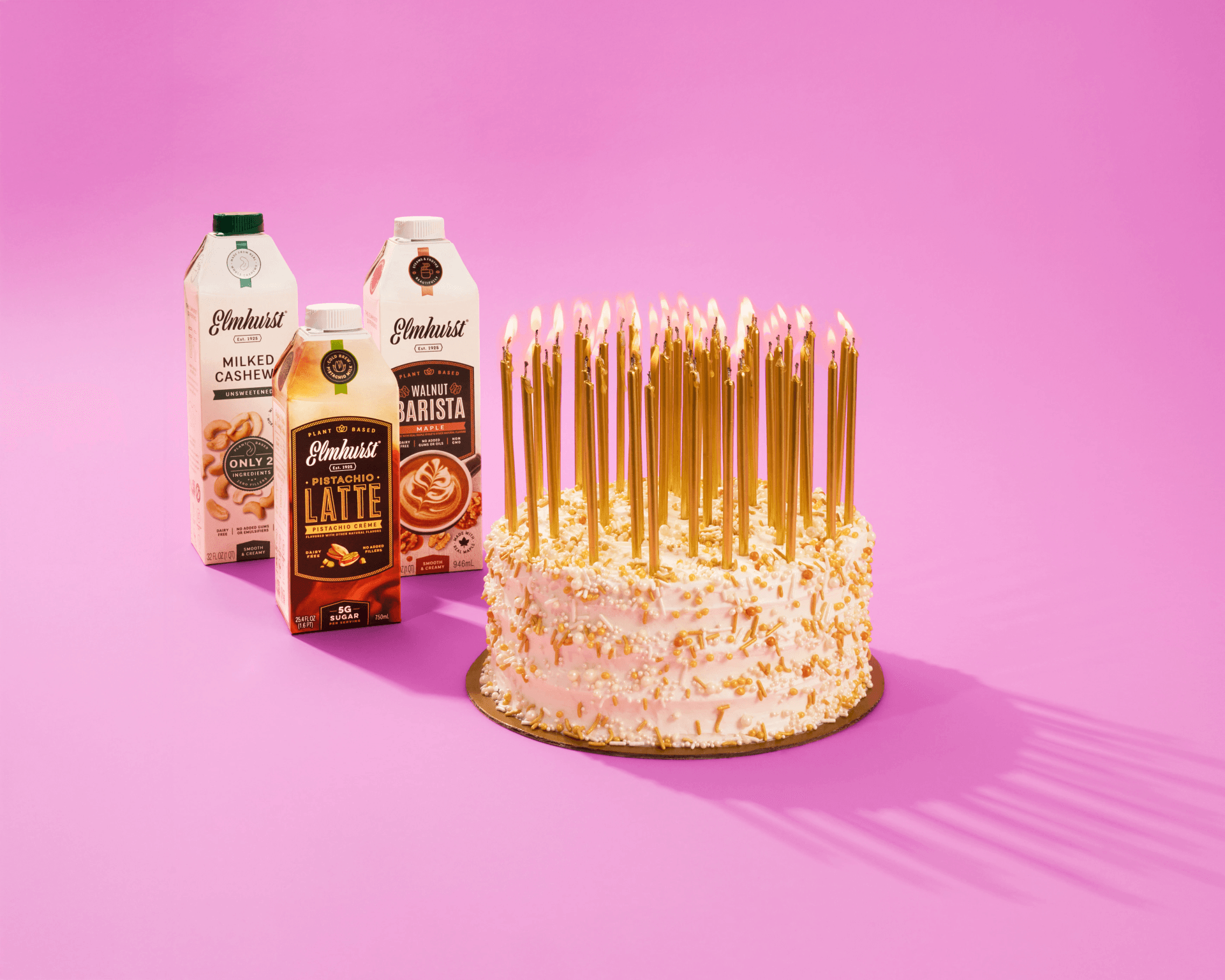
At MisaHungry Media, I see myself as your Creative Partner Guru, helping you turn your brand vision into content that stands out. Whether you need a dramatic product shoot, a lively stop motion video, or remote photoshoots to boost your eCommerce visuals, we’re here to help.
Take a peek at what we do (and maybe get inspired).
So next time you’re setting up a shoot, don’t just chase the light—invite the shadows in.
