How to Composite Food Photography When There Isn’t Enough Food
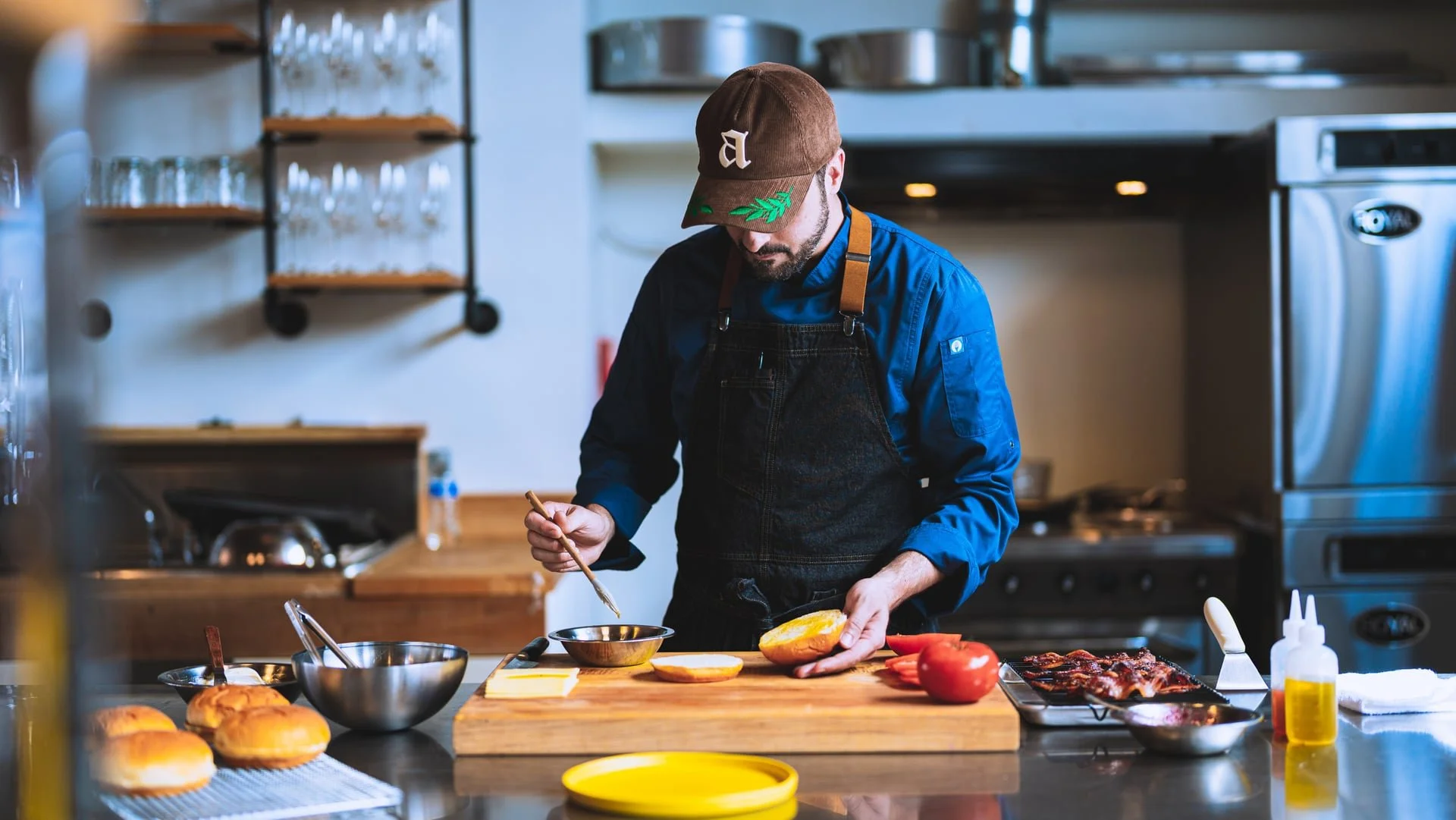
You’re mid-shoot, the shot list is still packed, and the food is already running out. The hero dish cracked, the sauce was poured incorrectly, and the last product on set suddenly couldn’t be used again. Now what?
This happens more often than people admit in food photography. Even with planning, food has a short life on camera. And when you still need multiple angles, formats, and assets for web, social, and ads, stopping the shoot or asking for more product isn’t always possible.
I’ve been in that exact spot, and that’s why I rely on composite food photography. When there isn’t enough food, compositing lets me keep shooting, keep the original creative plan, and still deliver high-quality images.
Let’s get into it.
Why “Not Enough Food” Happens More Than You Think
First, a quick reality check. Even with a solid shot list, food photography is unpredictable. Ice cream melts, sauces separate, garnishes wilt, and sometimes the client only ships one or two products. No backups, no extras, just enough to make it work.
On top of that, budgets are tighter. These days, brands are asking for more content from fewer resources. According to new research, brands continue to prioritize efficiency and cost control in creative production, especially for digital content.
That’s why, instead of forcing a single plate to survive an entire shoot, I plan for composite food photography from the start.
What Composite Food Photography Really Means
Composite food photography is the process of combining multiple images into one final photo. Instead of relying on a single perfect plate, I build the image piece by piece.
For example: One shot for the hero product, another for the sauce pour, and a separate frame for steam, crumbs, extra drips or garnish.
When there isn’t enough food, this approach gives me flexibility without sacrificing quality. More importantly, the final image still looks natural and appetizing. Most viewers never know it’s composited. They just see a photo that makes them hungry, and that’s exactly the point.
How I Plan for Composite Photography on Set
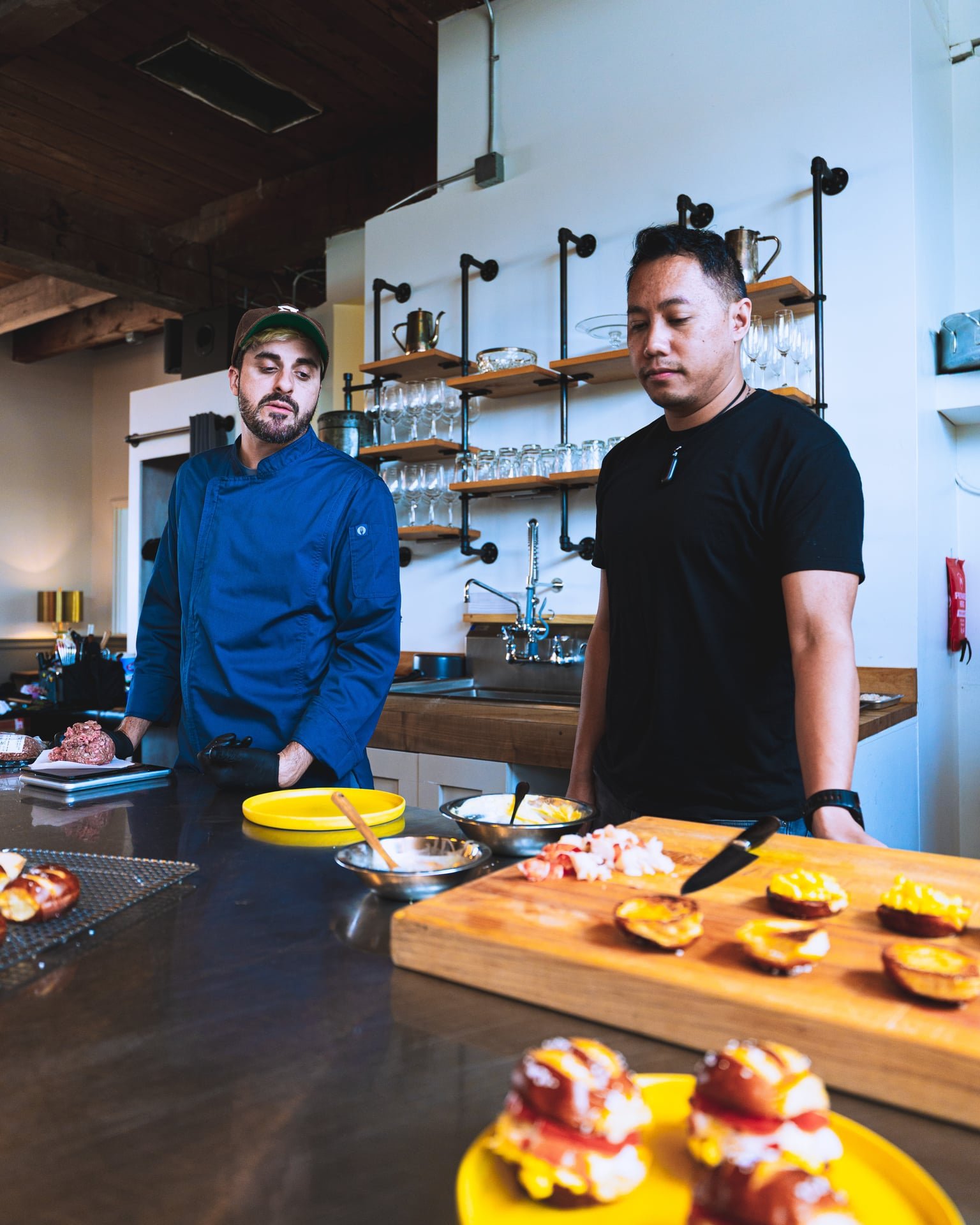
The biggest difference between stressful shoots and smooth ones is planning. Before I even start shooting, I think through which elements might need to be composited later.
I prioritize the hero product first. Then I shoot toppings, pours, and textures separately. Lastly, I lock in the camera angle and lighting early. This process is part of the same workflow I use on all my client projects, and it’s something I talk about often on my site, including how shot lists and prep save time and product.
When you plan with compositing in mind, one product can suddenly stretch into a full campaign’s worth of visuals.
Editing Tips That Keep Composites Looking Real
This is the part where things can either look seamless or totally fake.
Here are a few rules I always follow when editing realistic food photography:
Match the light direction and shadows exactly
Keep depth of field consistent
Blend edges slowly, not aggressively
According to trends reports, realism is still the top priority in food and product visuals. Over-editing breaks trust with viewers. If you’re curious about best practices from the editing side, Adobe has a helpful breakdown on compositing techniques that applies directly to food photography as well.
The goal is simple. Make the food feel real, not rebuilt.
Composite Food Photography Is a Smart Brand Move
Composite food photography with limited products isn’t about cutting corners; it’s about being smart with resources.
It reduces waste, protects limited inventory, and helps small and mid-sized brands stretch their investment further. In a time when brands are expected to show up consistently online, this approach helps keep content flowing without blowing budgets.
Instead of asking for reshoots or more products, I focus on getting the most out of what’s already there. That mindset builds trust with clients and leads to better long-term partnerships.
Why Limited Product Doesn’t Have to Limit Your Photos
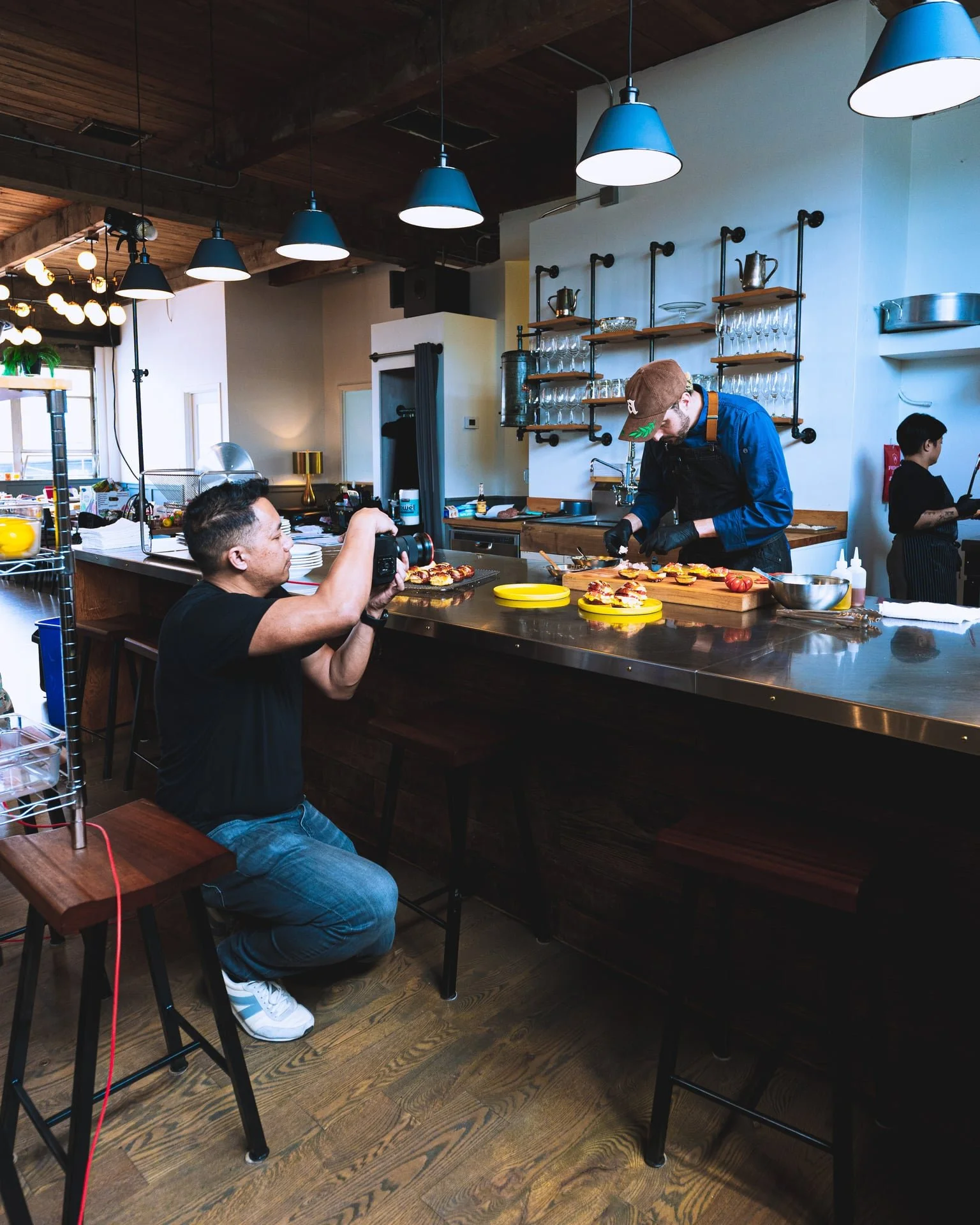
If you’re worried about not having enough food for a shoot, you’re not stuck. You’re just working within modern production realities.
At the end of the day, composite food photography with limited products is about preparation, creativity, and trust in the process. I see it as a creative safety net that lets me deliver strong images no matter what happens on set.
In fact, you don’t need to spend thousands of dollars on extra products just to get great food photos. You don’t need overflowing tables or endless backups. What you really need is the right approach and the right partner.
If you’re planning a shoot and feeling nervous about how much product you need, let’s talk before you over-order. I’ll help you build a strategy that makes the most of what you have and delivers content that actually works for your brand.
I’d love to be your creative partner on your next shoot.