
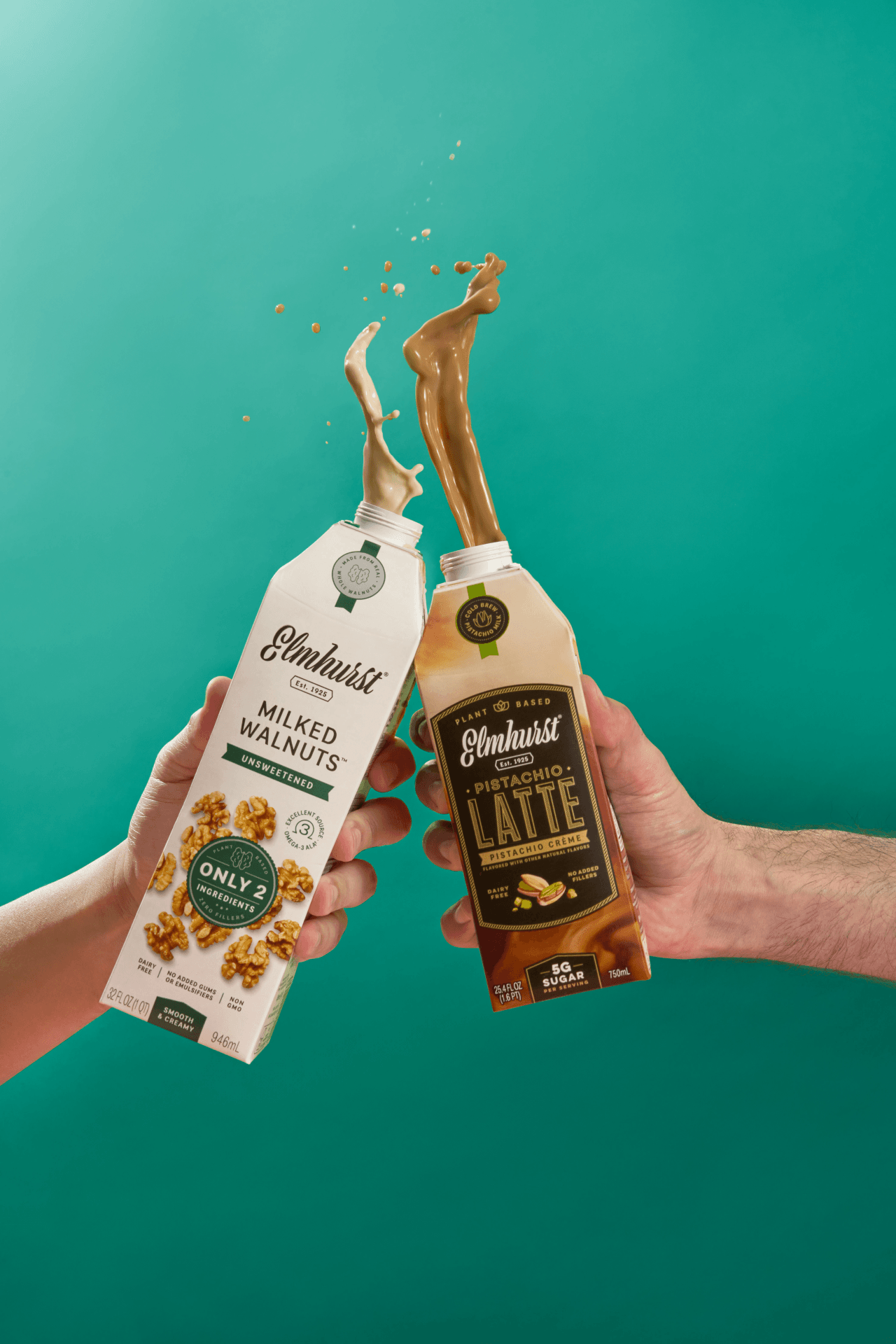
I still remember my first attempt at splash photography. I assumed it would be easy; just pour the drink, press the shutter, and that’s it. But within minutes, my studio floor was soaked, the lighting was wrong, and the splash didn’t match what I had imagined.
Today, I want to show you what it really takes to capture those bold, frozen splashes you see in drink ads. I’ll explain the tools, challenges, and techniques that help turn messy moments into great photos.
Technical Requirements for Splash Shots
Splash photography isn’t about luck. It’s about having control.
To freeze liquid in motion, I use very fast flash durations instead of just relying on shutter speed. Most splash photos are taken with flashes firing at 1/10,000 of a second or faster. That’s what stops every droplet in mid-air.
Lighting placement also matters more than people expect. Backlighting helps define the shape of the splash, while side lighting adds texture. On top of that, the liquid itself often needs tweaking. Glycerin, thickeners, or temperature changes can help the splash hold its form longer. These are small adjustments, but they make a big difference in liquid photography.
Equipment Needed for High-Speed Captures
To be honest, you do not need the most expensive camera on the market. But you do need reliable tools. Here is what I use most often for splash photography:
A camera with good flash sync and fast burst capability
High-speed strobes or flashes with short flash duration
Triggers that fire consistently without lag
Light modifiers to control spill and reflections
Sturdy tripods and clamps to lock everything in place
Plenty of towels, backups, and patience
According to research, images with clear motion and sharp detail hold attention longer than static shots, especially in digital ads. That explains why beverage brands lean so heavily into dynamic liquid photography for campaigns. You can read more about motion trends in photography on Adobe’s Creative Trends report.
Common Challenges and Solutions
Even with the right setup, things go wrong. A lot.
One common challenge is inconsistency. No two splashes are the same, even if you repeat the exact motion. My solution is simple; I shoot a lot, and plan for dozens, sometimes hundreds, of attempts to get one perfect frame.
Another issue is unwanted reflections or muddy colors. This is where flags, grids, and careful styling come in. Color accuracy can also be tricky. Some drinks photograph darker or flatter than they look in real life.
And yes, it gets messy, but that is normal. Controlled chaos is part of the process; that is why test shots are non-negotiable in liquid photography.
Tips for DIY Attempts vs. Hiring Professionals
If you want to experiment at home, I suggest you start with water, use window light, and expect hours of trial and error.
That said, there is a reason brands hire professionals for beverage photography techniques. When images are tied to product launches or ad spend, mistakes get expensive. A clean, high-impact splash shot can boost engagement and conversions. Studies show that strong visual content improves brand recall, especially in food and beverage marketing.
Professional splash photography is about reducing risk, saving time, and delivering consistent results.
Gallery of Splash Photography Examples Using Liquid Photography Techniques
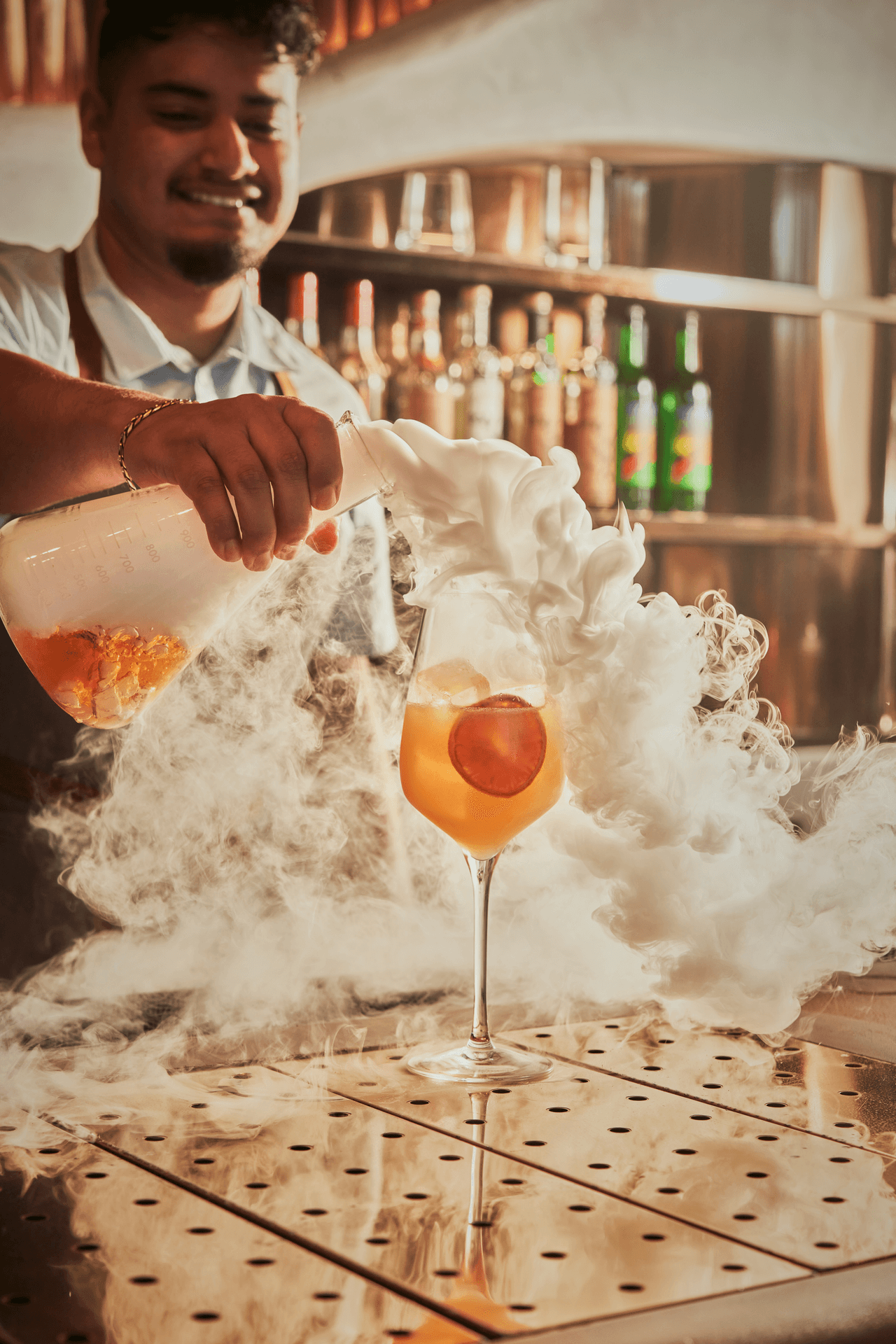
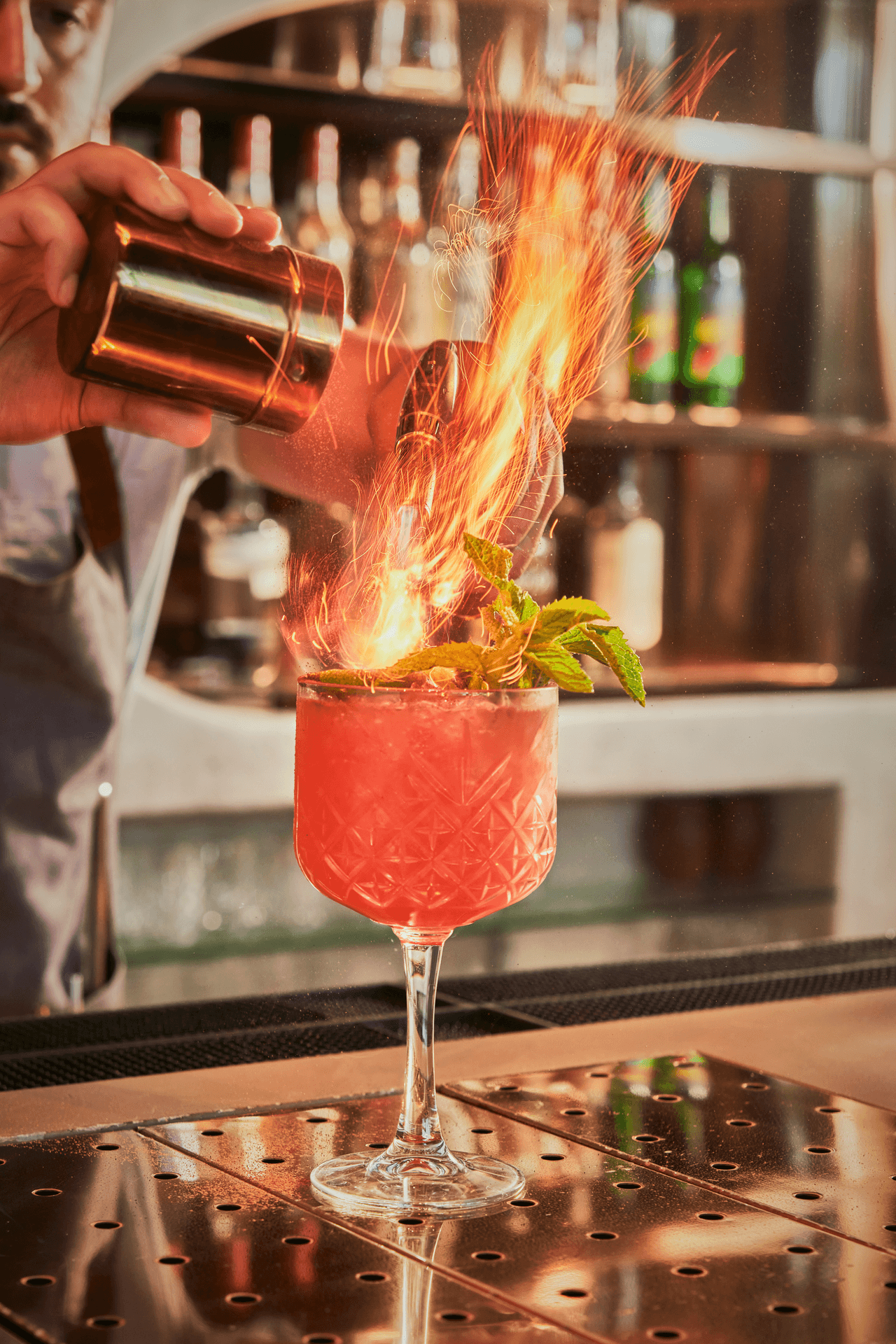
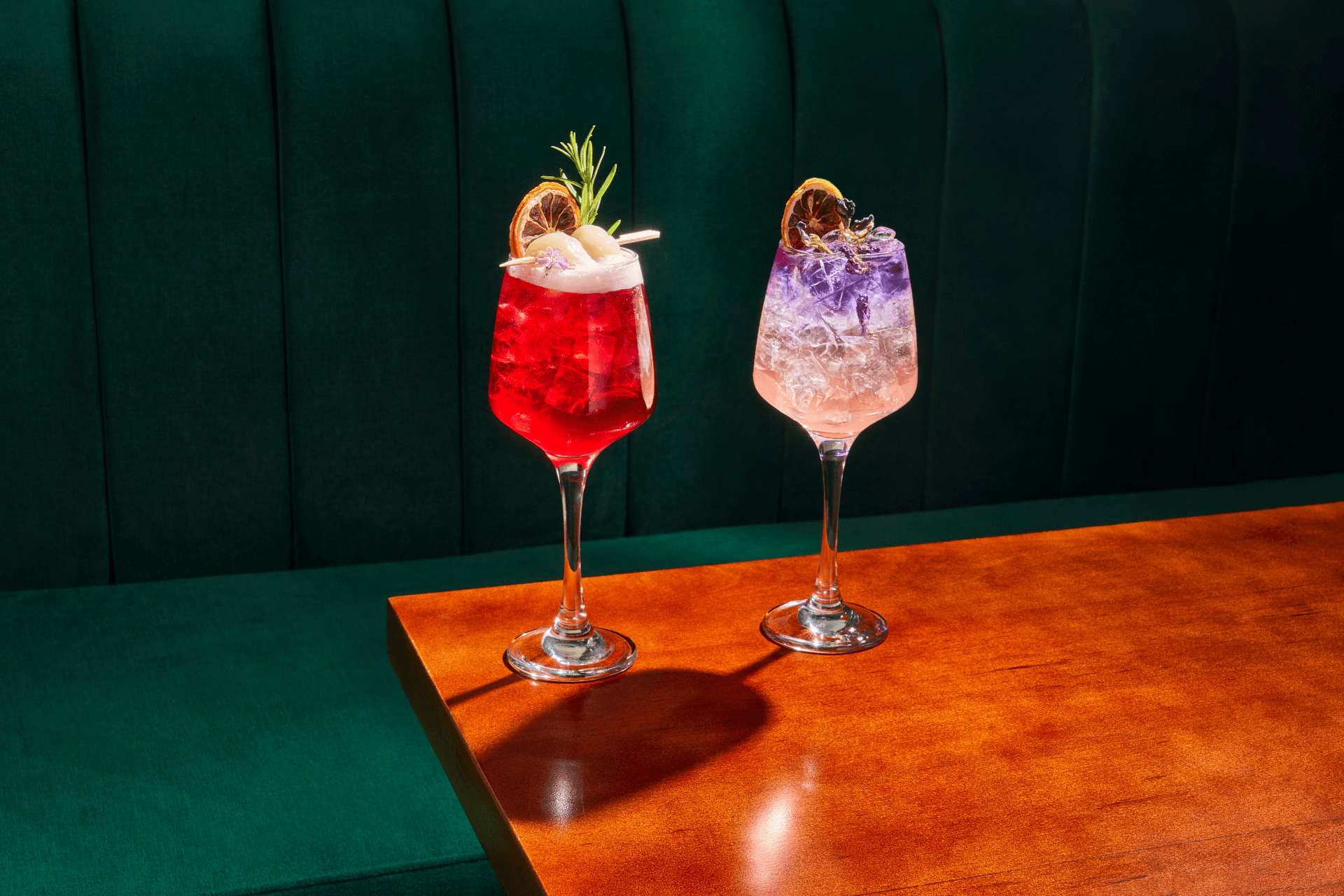
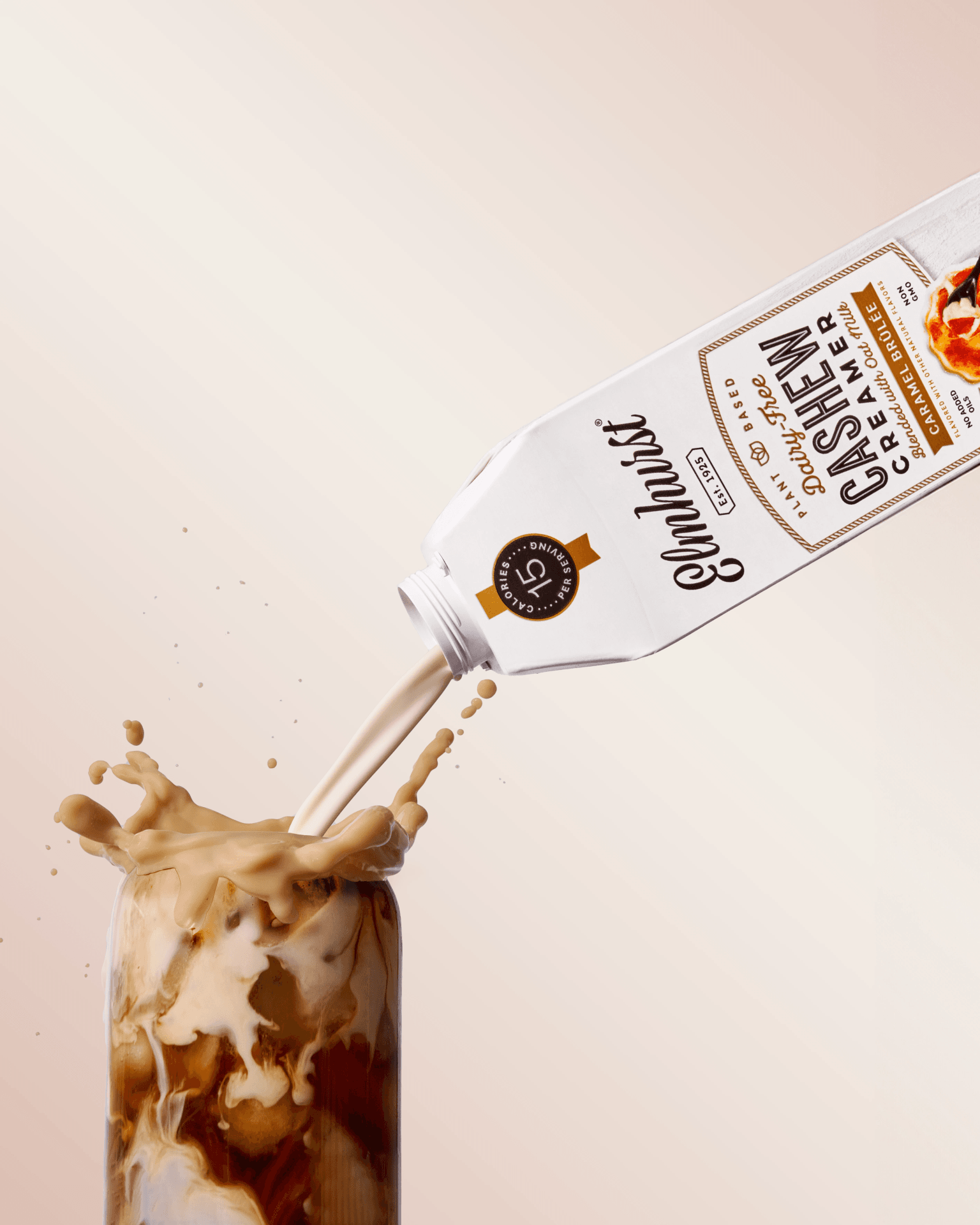
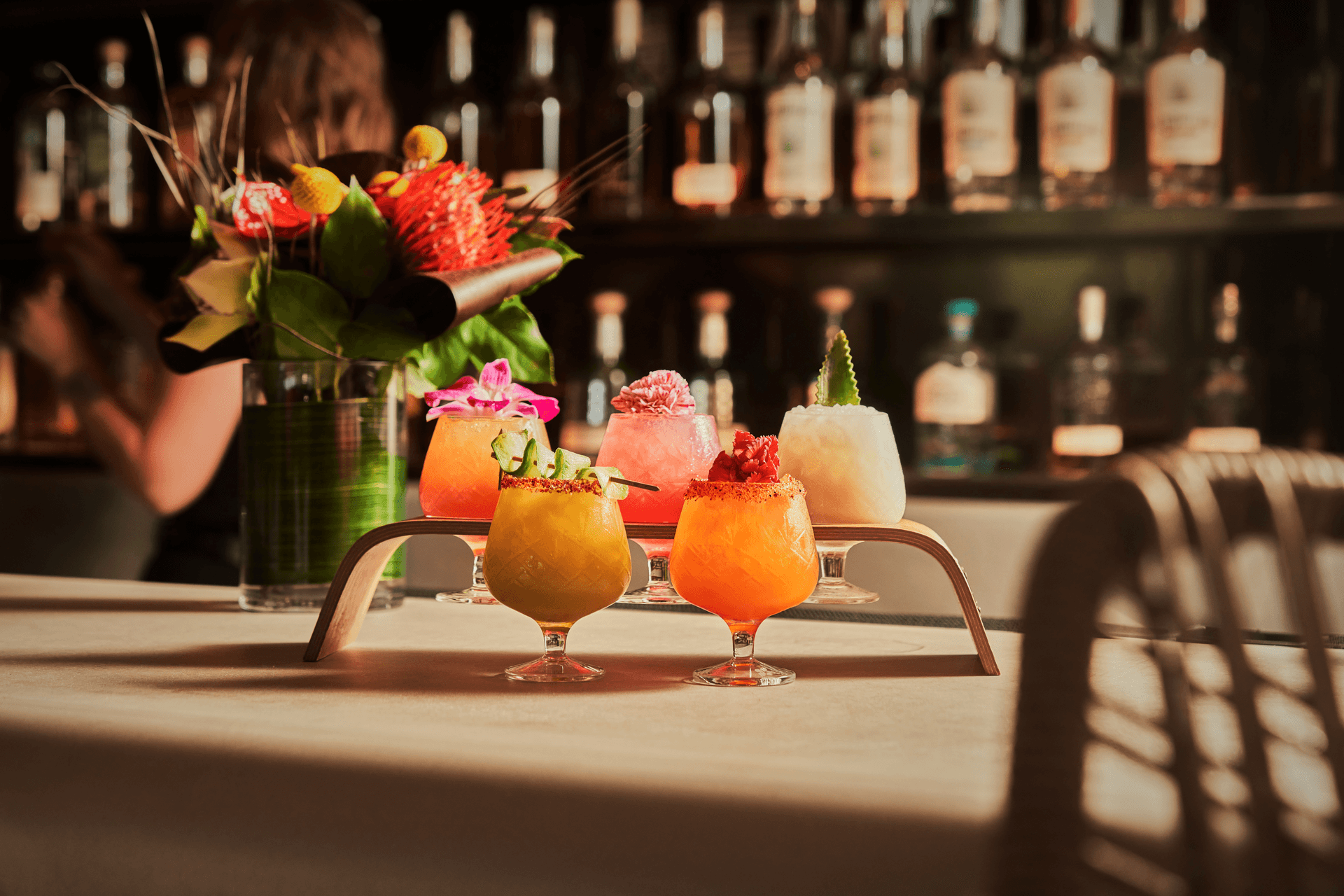
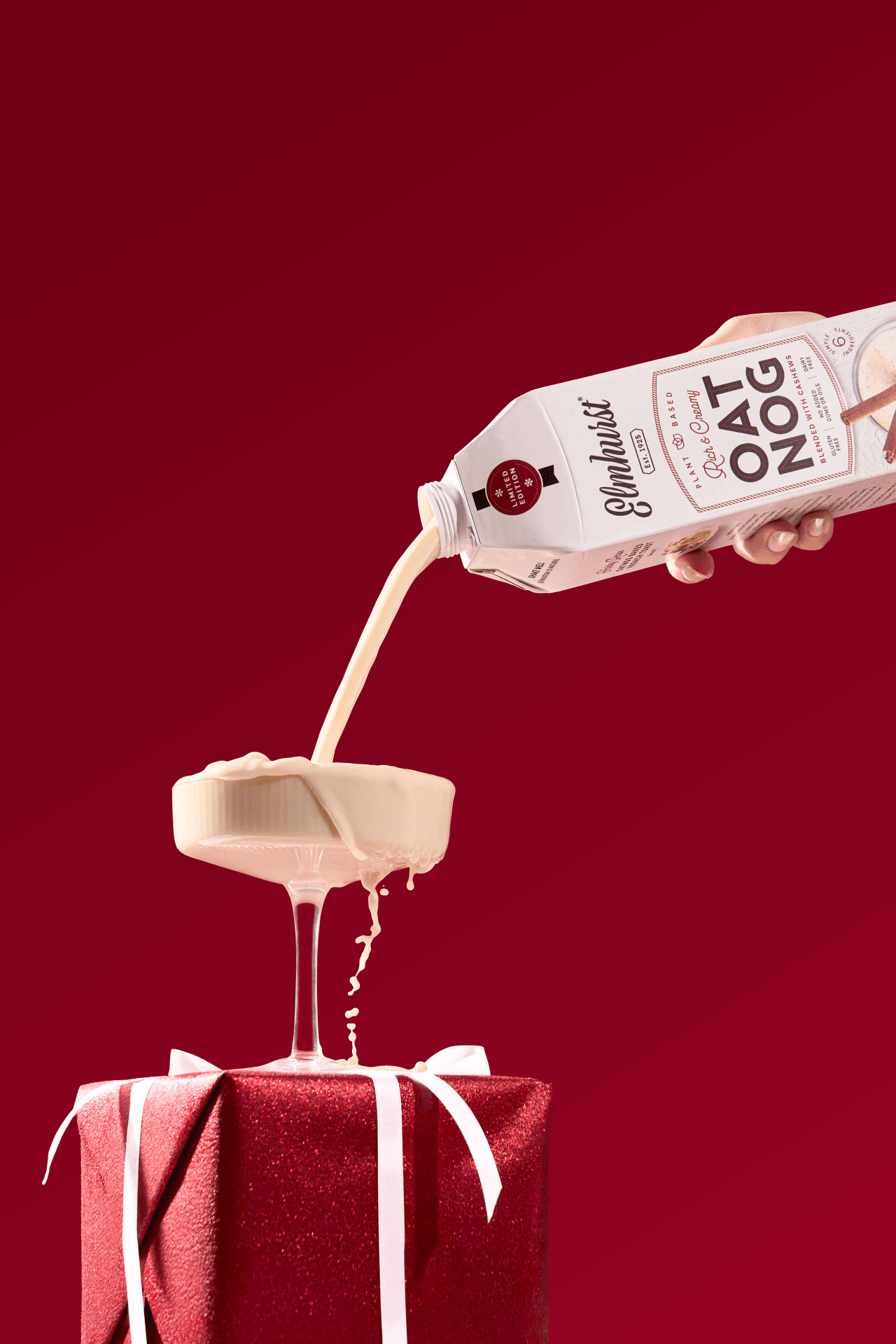
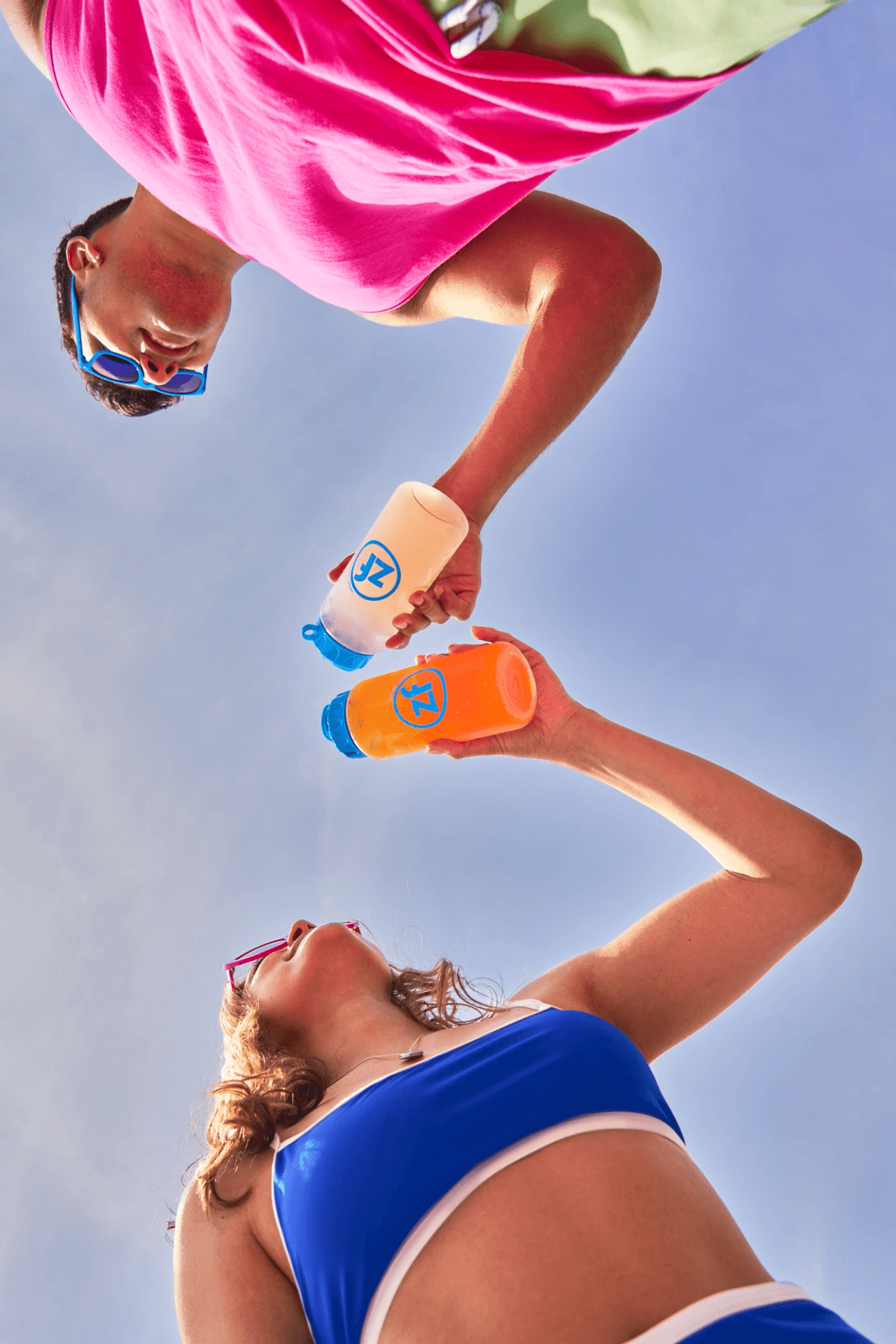
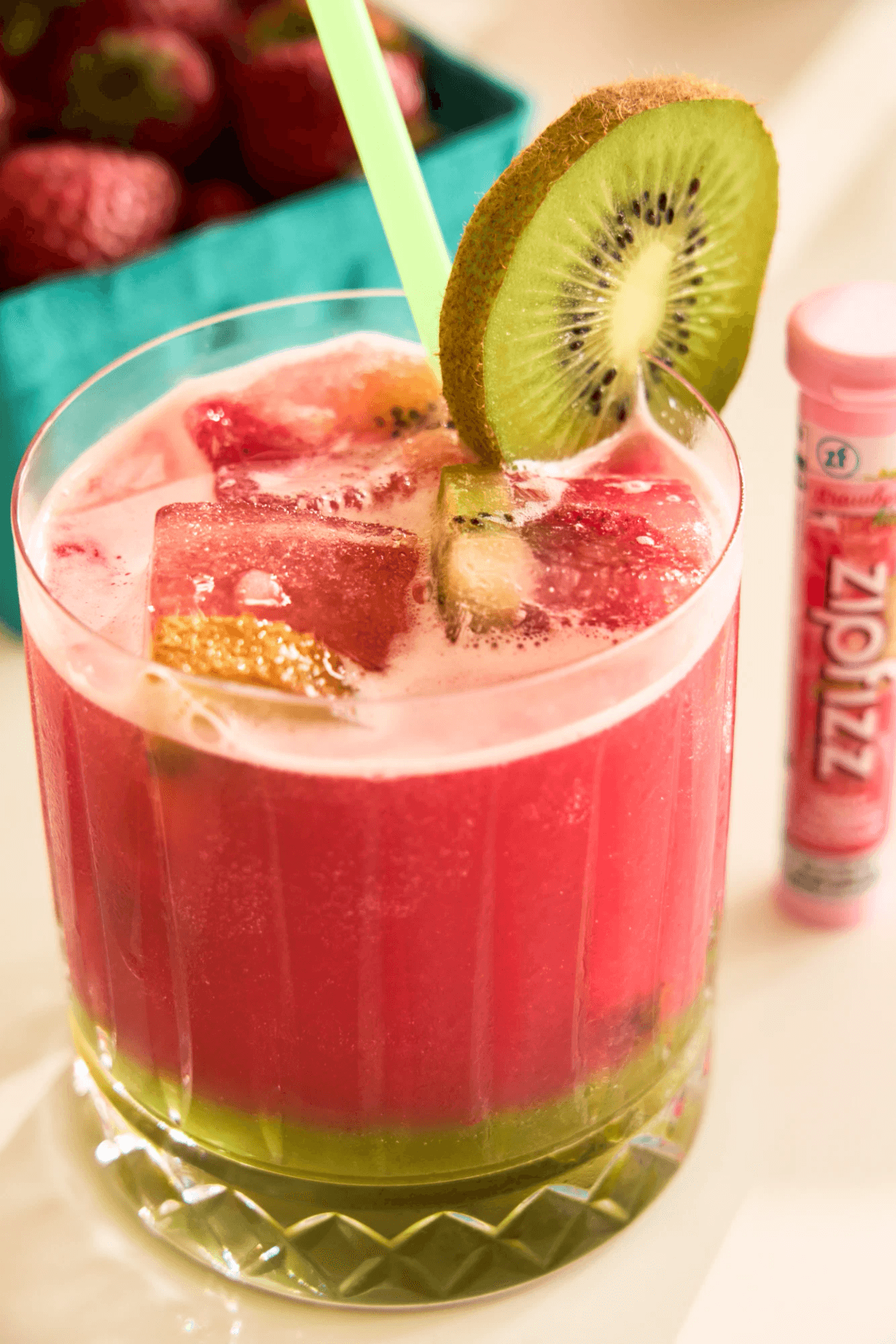
When you look at a strong splash photography gallery, you will notice one thing. Every splash feels intentional. Whether it is a bold soda burst or a controlled pour, the liquid supports the brand story. That level of polish comes from planning, testing, and experience with liquid photography.
At the end of the day, splash photography is a mix of science and creativity. The right beverage photography techniques turn a simple drink into a moment people remember. Whether you are testing things out at home or planning a full campaign, understanding the process helps you make better creative decisions.
If you are ready to create splash photography that actually stops the scroll and sells the product, let us talk. I’d love to hear what you’re launching and help you create visuals that people stop, look at, and remember. Let’s plan something fun, clean, and on-brand.
