
Image SEO for CPG: File Names, Alt Text, and Formats That Rank on Google
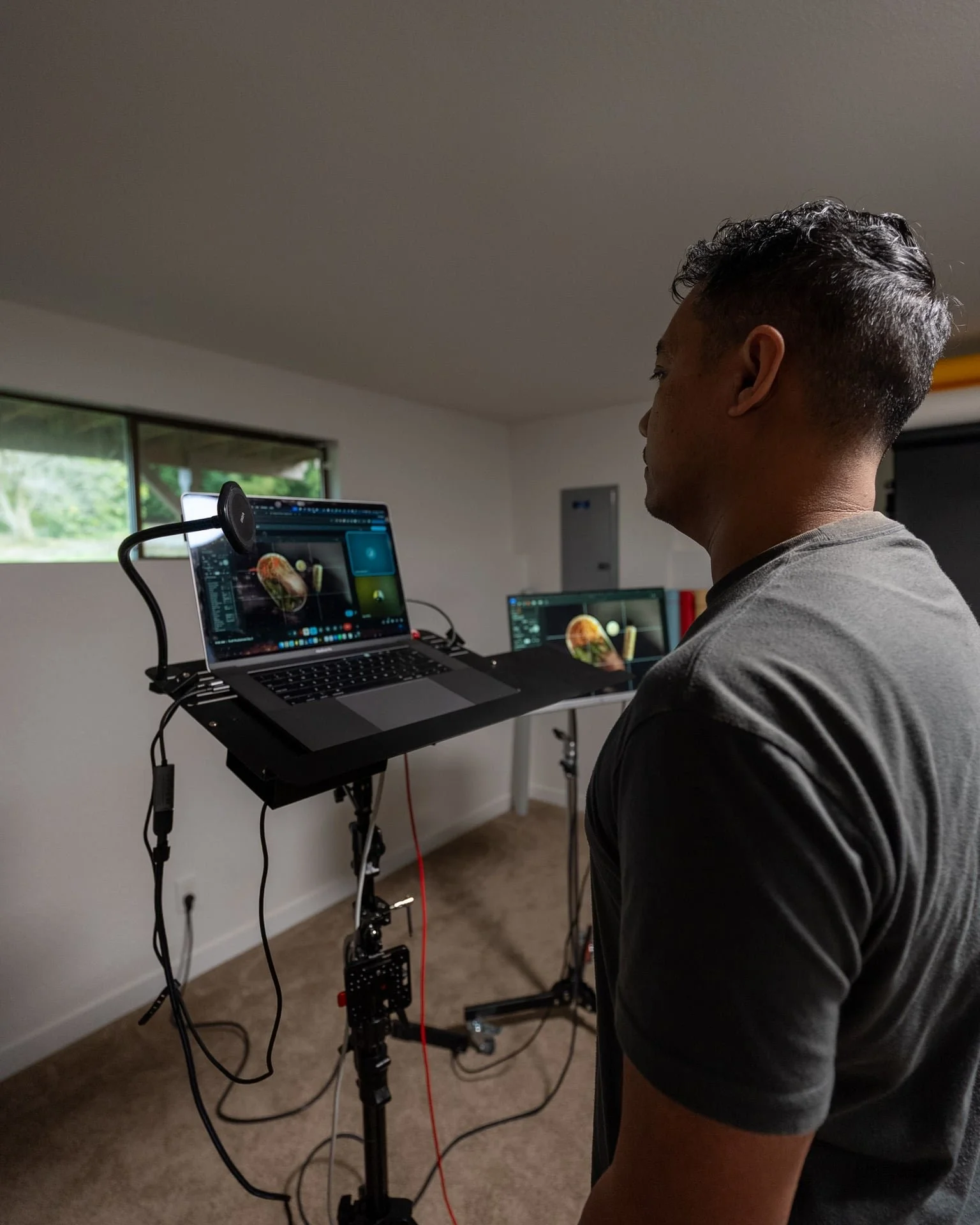
If you work in CPG, you already know the grind: designing packaging that pops, crafting flavors, and keeping customers coming back for more. But here’s a little truth bomb—if your product photos aren’t optimized for search engines, all that work risks staying invisible online.
I’ve seen this happen while working with brands. Their visuals were gorgeous (seriously drool-worthy), but without SEO, those images weren’t getting the digital spotlight they deserved. Let’s walk through the basics of giving your product photos the glow-up they need to actually rank on Google.
Why Image SEO Matters for CPG Brands?
Think about it—when was the last time you Googled something like “matcha latte recipe” or “best chocolate truffles”? Chances are, you clicked on an image first because it catches your attention. Your potential customers are doing the same thing.
That’s why optimizing your images isn’t just a technical step; it’s a brand growth move. At MisaHungry Media, we love turning client visions into visuals that not only pop but also perform—because what’s the point of a killer product photoshoot if no one sees it?
Rename It Like You Mean It: Smarter File Names
We’ve all been guilty of uploading a file straight from the camera roll. But “IMG_9876.jpg” won’t do you any favors in search rankings. Google isn’t going to know it’s your professional food photography masterpiece. Rename it with something descriptive like “elmhurst-oat-nog-drink-photography.jpg”
Not only does this help with searchability, but it also reinforces your brand identity across the web. I still remember renaming hundreds of images during an ecommerce product photography project—it was tedious, but it was SEO worth it.
Alt Text: Speak Google’s Language
Alt text is one of those details that people tend to skip—but it’s gold. It's like giving Google a pair of glasses. Without it, your beautiful food images are invisible to search engines.
But here’s the thing—alt text isn’t just for SEO. It’s also about accessibility. A visually impaired customer can understand your content because of thoughtful descriptions. So instead of writing “image of drink,” try “iced matcha latte in glass with bamboo straw – drink photography.”
See the difference? One is flat, the other paints a picture (literally).
Image Formats: JPG vs PNG vs WebP
Formats matter more than you think. They make a huge difference. Use the wrong one, and you could end up with slow-loading pages (aka impatient customers). Here’s my quick rule of thumb:
JPG: Great for lifestyle shots, larger image galleries and ecommerce listings where smaller file sizes matter. But it’s lossy—meaning you trade some detail for speed.
PNG: My personal go-to. It preserves crisp details, handles transparency like a champ (great for logos, product cutouts, or layered graphics), and keeps your visuals clean. The files are bigger, but the quality? Chef’s kiss.
WebP: The modern option. It blends the small file sizes of JPG with the quality of PNG. Many platforms support it now, but compatibility can still be spotty depending on where you’re uploading.
At MisaHungry, I always use PNG because my clients’ photos need that sharp, professional look. When we’re styling something like dessert dumplings for Mila or a rebrand shoot for Coffeeholic, I’d rather deliver clean, detailed assets that reflect the brand—no pixel mush allowed. I even handle photo editing to make sure your visuals look crisp while staying web-friendly.
That said, knowing the differences means you can make smart choices for your product shoot and ecommerce goals. Sometimes speed wins, sometimes quality wins. I’ll always help you balance both.
The Extra SEO Sauce: Structured Data & Video
Still photos are only part of the story. Google (and your customers) love variety, which is why video is such a powerful sidekick. Adding product video or even stop motion videography can skyrocket engagement. We did this for a Zipfizz campaign—pairing product photography with engaging video content that made people stop scrolling.
If you’re investing in food and drink photography, consider sprinkling in a short stop-motion video or behind-the-scenes clip. It’s the kind of snackable content that customers eat up (literally).
For more on best practices, check out Google’s guide on image SEO.
Wrapping It All Up: Make Every Pixel Count
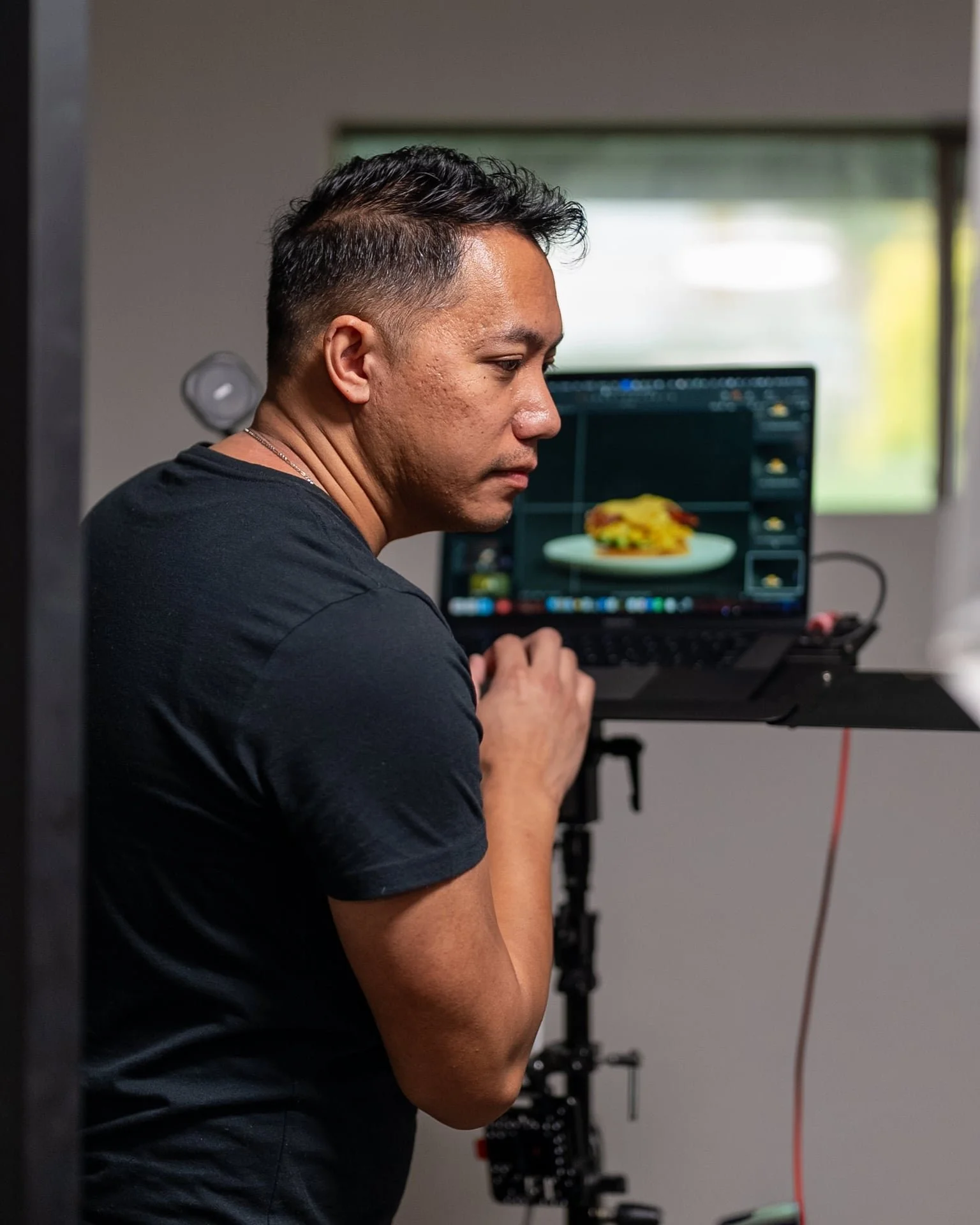
CPG brands spend so much time perfecting packaging, sourcing ingredients, and telling their story. Your visuals deserve the same love.
With smart file naming, thoughtful alt text, and the right formats, your product photos can go from “pretty pictures” to high-ranking, conversion-driving assets.
And hey, if you’d rather focus on running your brand than renaming files (I get it), that’s what we’re here for at MisaHungry Media. Let’s turn your vision into content that doesn’t just look good—it ranks.
