Top 10 AI Tools Every Food Photographer Should Be Using
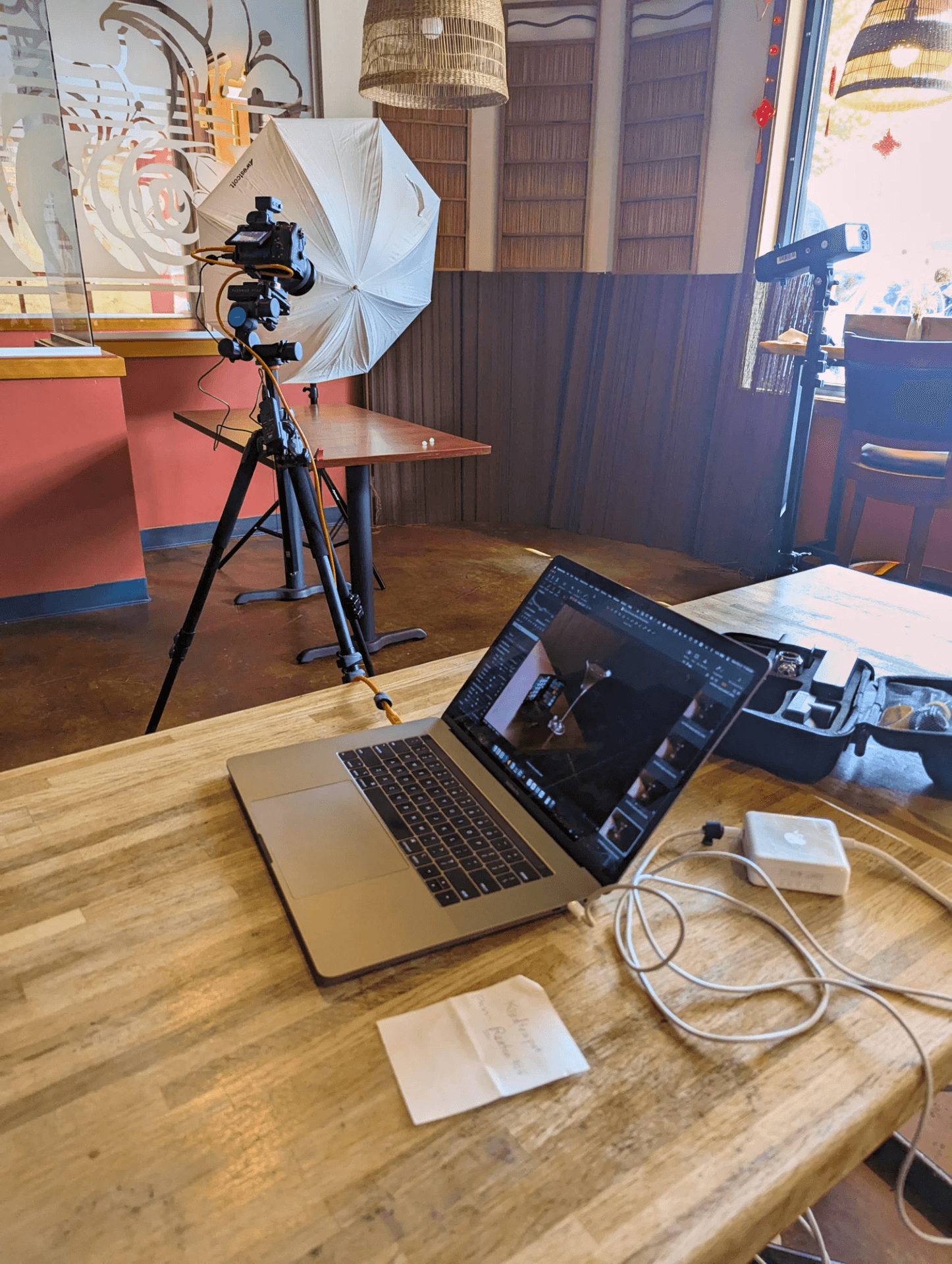
If you’re a food photographer like me, you know this work isn’t just taking pictures. It’s planning, scouting, styling, shooting, editing, delivering, and staying creative under deadlines. And right now, AI is changing how we handle a lot of that work.
AI isn’t here to take our jobs. In fact, 90% of creative professionals reported using AI to boost productivity and spark ideas in a survey. That means if you’re not exploring these tools yet, you might be leaving time, quality, and creative opportunities on the table.
So let’s talk about the top 10 AI tools I recommend for my co-photographers working with food and beverage brands.
1. ChatGPT for Shotlists and Creative Direction
You and I both know that great food photography doesn’t happen on instinct alone. It starts with ideas. I use ChatGPT to brainstorm shotlist directions, lighting setups, and angles for products, drinks, and stop motion sequences.
Pro tip: Prompt it with brand goals (e.g., “make this premium,” “feel cozy,” “highlight texture”) to get tailored ideas.
2. ChatGPT Image Generation for Visual References
Clients often want to visualize the product photos before we shoot. I use AI image generation to make mock-ups of lighting, props, or compositions. They’re not final art, but they help everyone align before we’re on set.
3. Google Gemini for Alternate Visual Ideas
Sometimes one idea isn’t enough. Google Gemini gives me alternative image concepts I didn’t think of. It’s like having another creative partner when you’re planning a food photoshoot or ecommerce set.
4. Adobe Photoshop AI Tools
This is a workflow game-changer for photo editing. AI cleanup tools help remove distractions, refine packaging graphics, or fix tiny details without the tedious manual work. I still hand-finish everything, but Photoshop’s AI features help me get to a polished result much faster. Adobe reports creatives save significant time with AI-assisted editing workflows, freeing up hours for more shoots.
5. AI Masking
If you haven’t used AI masking yet, you’re missing out. It recognizes food, plates, bottles, and backgrounds so you can adjust exposure or color without painstaking selections. That’s a huge win for consistent brand imagery and faster edits.
6. AI Video Enhancer for Food Video and Stop Motion
Video enhancer tools aren't just for video artists. For food photographers expanding into food video or stop motion content, AI tools help clean motion frames, remove backgrounds, and add subtle effects. That’s valuable when you’re packaging short-form video alongside food photos.
7. Notion AI for Organization
Managing multiple clients and ideas can get messy. I use Notion AI to organize shotlists, meeting notes, and timelines. It’s like having a second brain that keeps creative work on track.
8. AI Color Palette Tools
Matching brand colors is essential for CPG brands and online stores. AI color tools help me pull consistent palettes from packaging so the final images feel cohesive.
9. AI Noise Reduction Tools
Low-light beverage photography or detailed food shots sometimes introduce noise. AI-based noise reduction gives clean images without losing texture.
10. AI Transcription Tools for Feedback
After calls with clients about food photography direction, I run voice notes through AI transcription to capture feedback fast. It keeps revisions from crossing wires and lets everyone stay aligned.
How AI Fits Into Real Food Photography Workflows
Now let’s be clear. You’re still choosing lighting, setting up your scene, styling the plate, working with props, and directing the brand narrative with every shot. What AI does do is help with idea generation, ideation, and efficiency, so you can focus energy where it matters most.
But AI is not perfect. Sometimes it messes up a detail, and the lighting needs a human touch. That’s when traditional skills take over.
Clients rarely notice AI in the final product as long as the final food images look believable, real, and on brand.
Staying Ahead as a Food Photographer
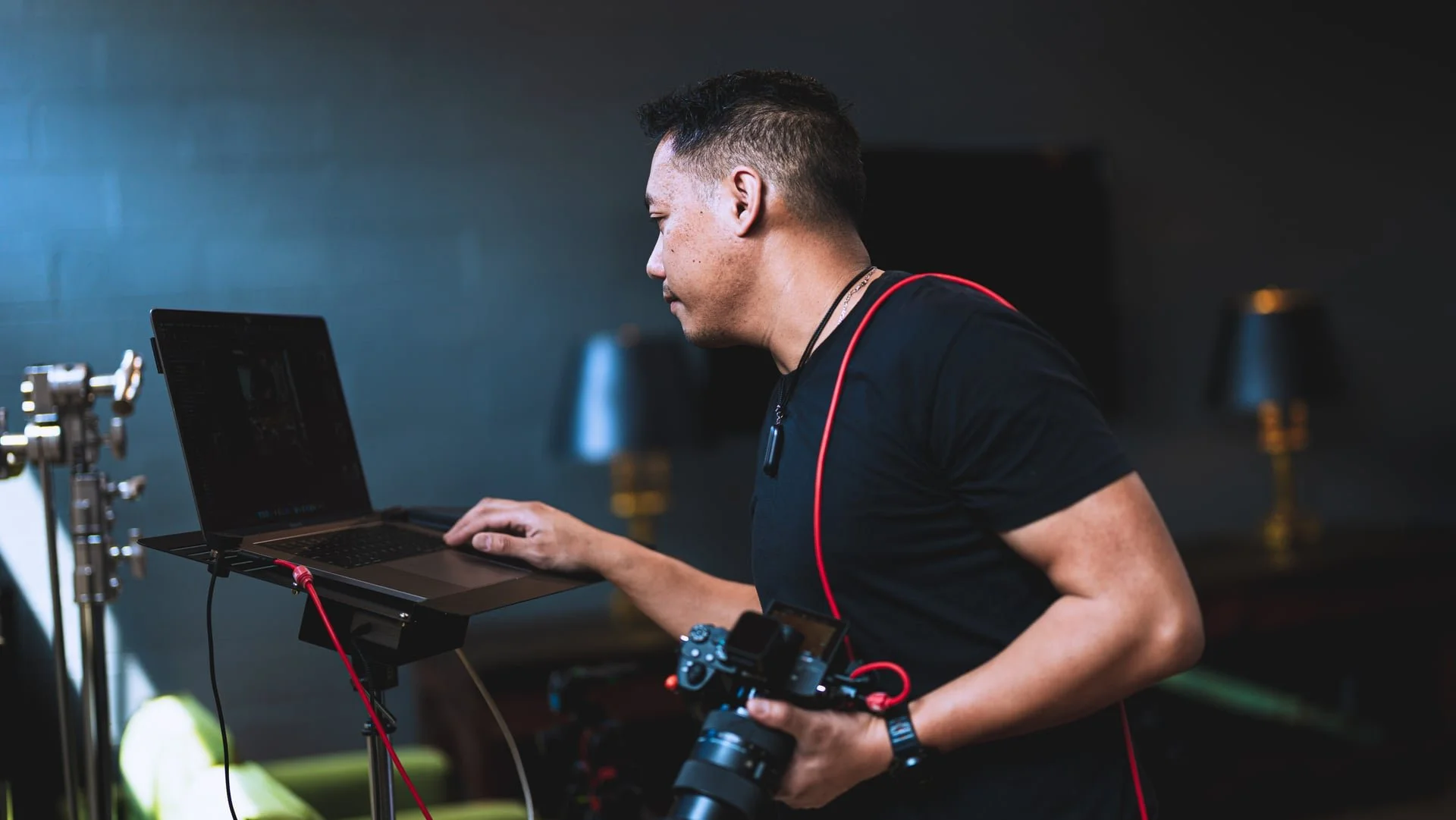
AI is not the future — it’s right now. According to industry trends, AI adoption among creatives has climbed sharply over the last two years, especially in image editing and concepting tools. That tells me two things: the tools are here to stay, and those who learn them early will work faster and more creatively.
But the heart of great food photography still comes from your eye, your lighting choices, and how you tell a brand’s story through images. Use these tools intentionally, refine what they suggest, and make your work stronger. That’s how you stay ahead as a food photographer.
AI can help you work faster, but the right creative partner helps you work smarter.
If you’re planning a food photoshoot, launching a product, or refreshing your brand imagery, I’m always happy to chat and share what’s working right now.