
The Ultimate Guide to Remote "Ship-to-Shoot" Photography: How It Works & Why It Saves You Money
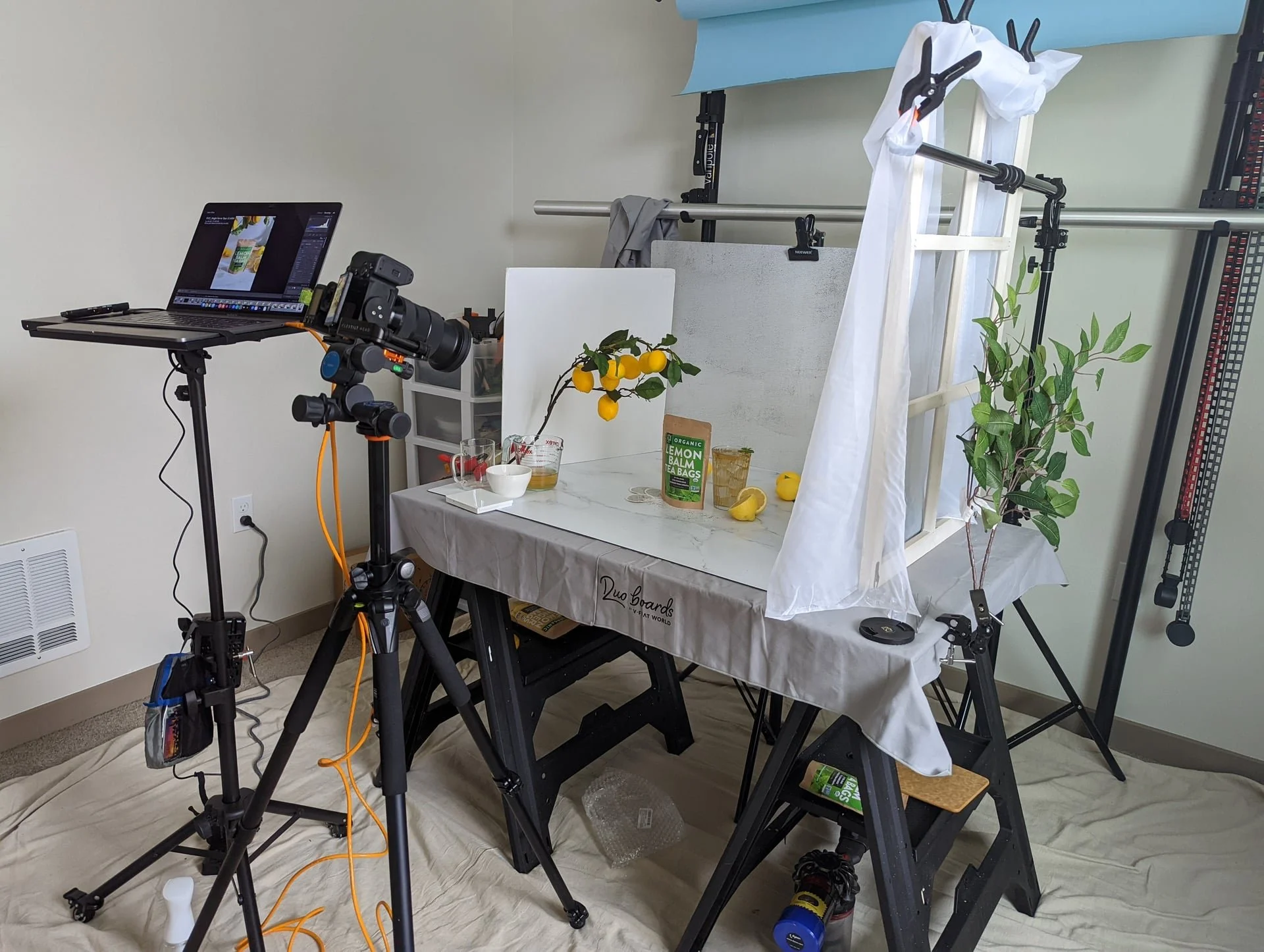
Let me guess.
You love the idea of remote photography, but one thing stops you.
Sending your product away feels risky.
I hear this from marketing directors and founders from time to time. The fear is not about cost. It’s about control. You worry the shoot will happen behind a curtain, and you will only see the results at the end.
So let’s remove the mystery.
This post breaks down the remote product photography process step by step. I’ll show you exactly how a ship-to-shoot service works, how you stay involved in real time, and why more brands are choosing a mail-in photo studio over flying teams across the country.
First, the Big Shift Happening Right Now
Remote work changed everything. Creative production came with it.
According to studies, companies that adopted remote collaboration tools reported faster approvals and lower project costs across marketing teams. The same trend is happening in photography. Brands want speed, clarity, and fewer moving parts.
That is why searches for how to hire a remote photographer keep climbing.
Now, let’s talk about how it actually works.
The Ship-to-Shoot Process, Without the Guessing
This is where the “black box” disappears. A strong remote product photography process is built on visibility, planning, and shared control. Here’s exactly how it works.
Discovery
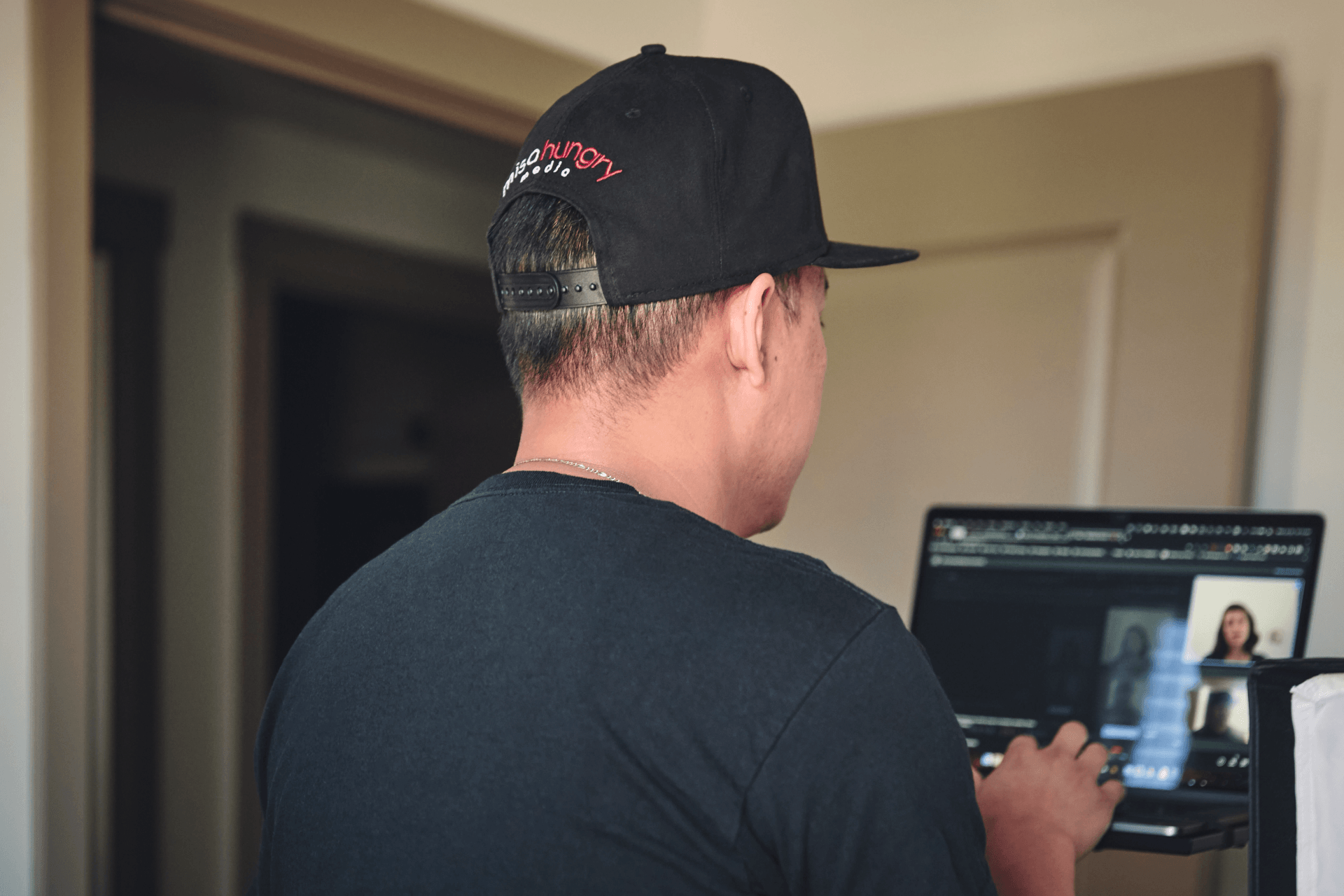
We start with a friendly intro call and a short questionnaire. This is where I get to know your brand, your product, and what success actually looks like for you.
We talk through:
Where these photos will live
What your customers need to feel
What has or hasn’t worked in the past
This step sets the tone for everything that follows. It ensures I’m not just taking photos, but supporting your broader eCommerce and marketing goals.
Ship
Once we’re aligned, you send your SKUs to our secure Seattle studio. We handle logistics for both shelf-stable and perishable items. You’ll get clear packing guidance, delivery timelines, and intake dates so everything arrives safely and on schedule.
As soon as your products land, I confirm receipt and condition. Nothing moves forward until we’re aligned and ready. This step is intentionally simple because the real value comes from what happens after the box arrives.
For most brands, this is the moment the stress fades. You’re no longer wondering what’s happening. You know exactly where your products are and what comes next.
Pre-Production
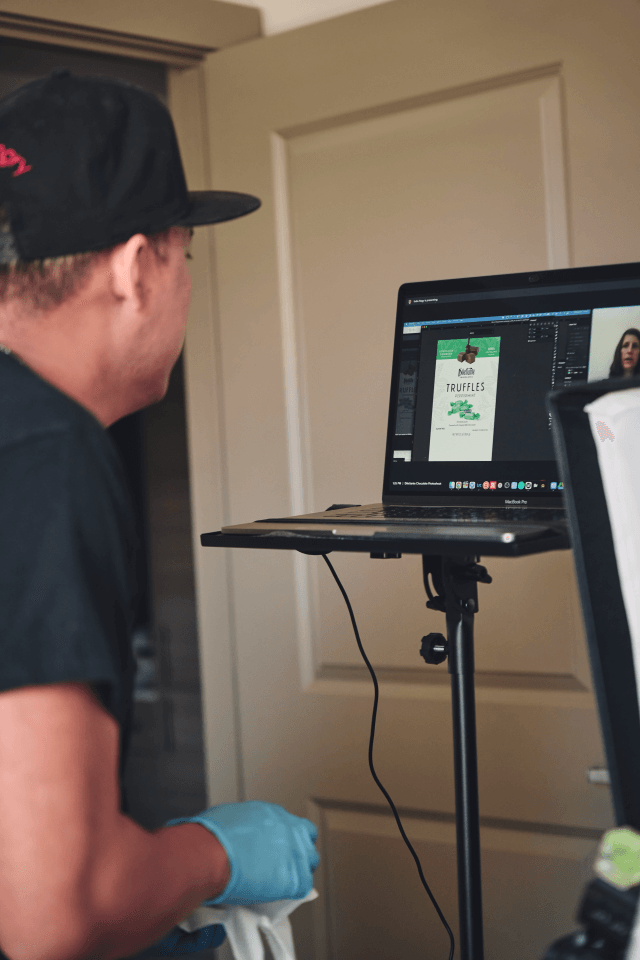
During pre-production, we review your Creative Brief and lock in the Shot List together on a video call before the first light is ever set. We dial in:
Visual direction and mood board
Styling approach
Props, surfaces, and brand colors
Image priorities based on where the content will live
This step removes surprises and protects your time and budget. For brands new to a ship to shoot service, this is often the moment where trust fully clicks. All this information is also kept in our Project Portal via Notion. You can keep track of all the steps during this process, and never be left in the dark.
Production
Now the fun part.
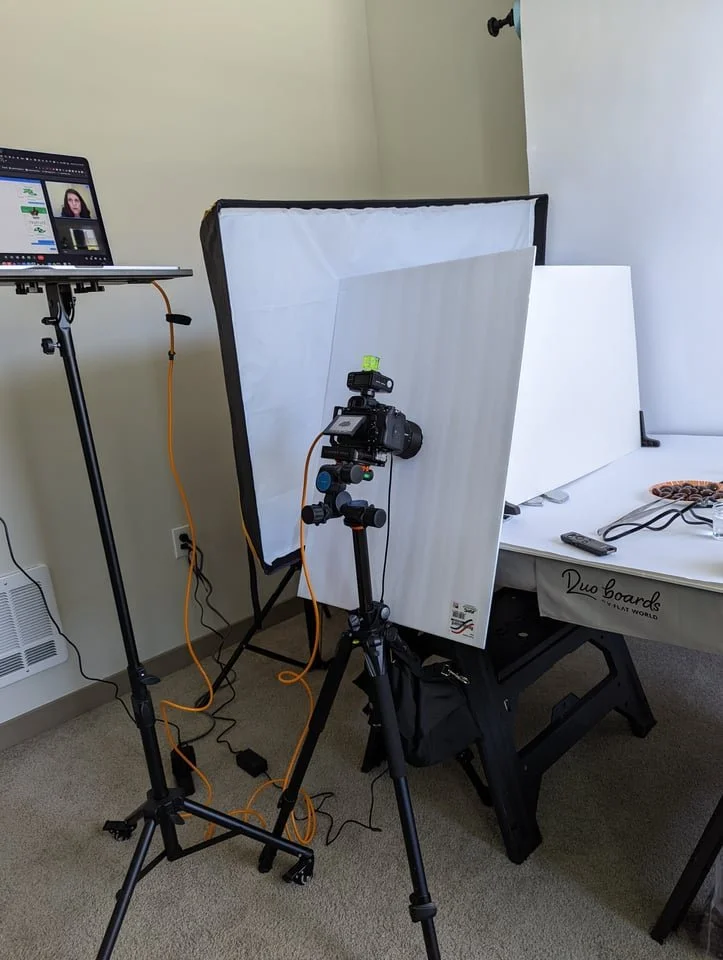
With a clear plan in place, production becomes focused and efficient. I shoot everything in my dedicated Seattle studio, using the roadmap we created together. If we need to move the project to another location that’s larger, or needing that certain vibe, we’ll handle the location scouting.
During production, you’re invited to join the shoot through our remote viewing portal using Capture One Live paired with Google Meet or Zoom. In plain terms, you see exactly what my camera sees, as it’s happening.
If you’re sitting in New York with an iPad or laptop, you’re watching the live camera feed while I adjust lights in my Seattle studio. When I move a prop, tweak styling, or fine-tune a highlight, you see it instantly.
You can jump in at any time and say:
“Can we brighten the label just a bit?”
“Let’s try a tighter crop for eCommerce.”
“I want one more option with a softer shadow.”
Nothing is locked until you’re comfortable. There are no waiting days to see if something worked. Decisions happen in the moment, which keeps the shoot efficient and collaborative.
This is why the remote product photography process doesn’t feel distant; it feels shared. You’re not handing off creative control; you’re directing it.
Post-Production
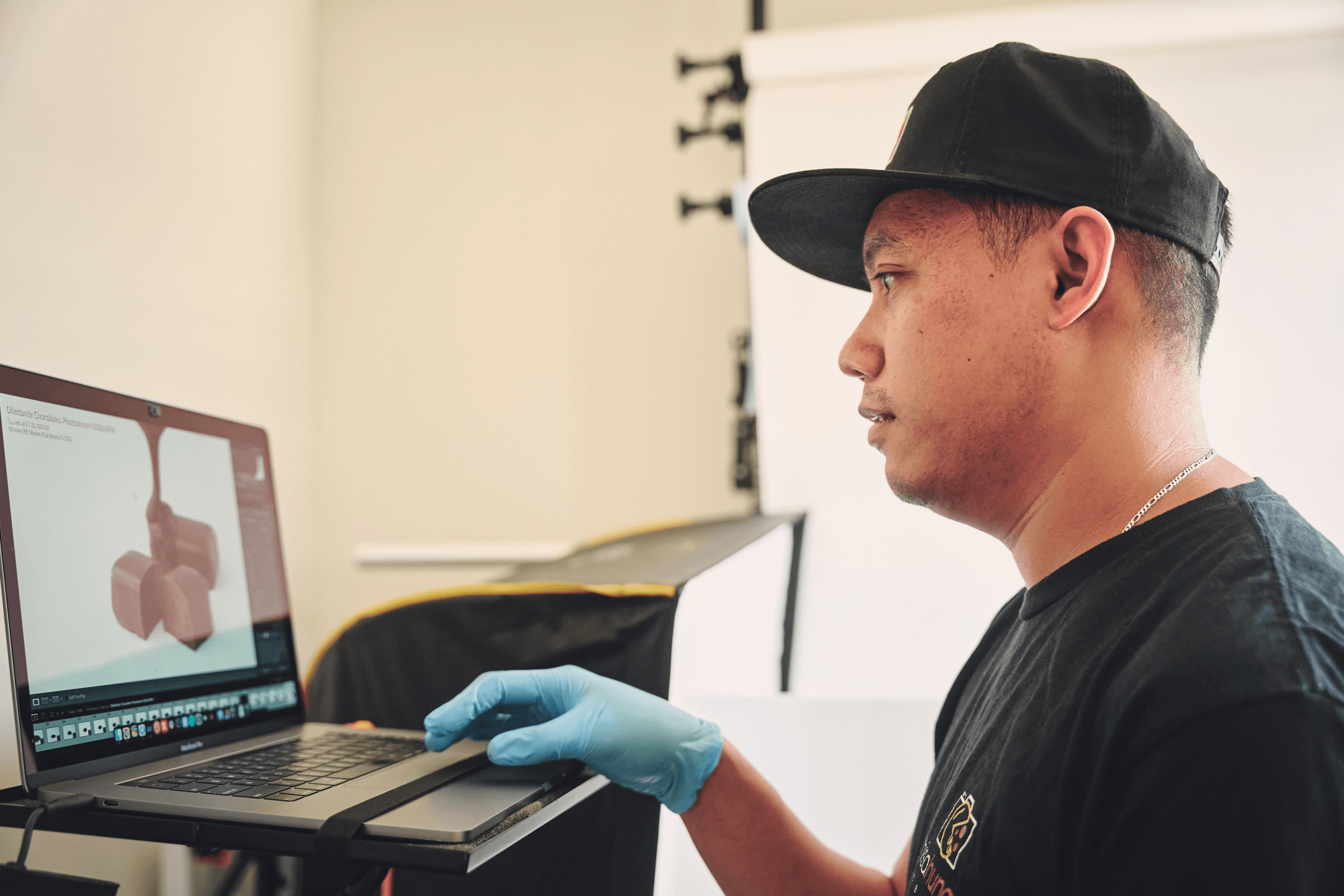
After the shoot, we handle image editing, color correction, and cleanup to make sure every photo matches what we planned during pre-production. The goal here is consistency, clarity, and polish. Your product should look intentional, not overworked.
Typically, within 48 hours, you’ll receive a private online album where you can review images, leave notes directly on photos, and request tweaks. Two rounds of revisions are included because getting it right matters.
Once approved, the final images are delivered in both web-optimized formats for speed and clarity, and high-resolution files ready for print, ads, or future use.
Return
Once final images are approved, products are returned or donated based on your preference.
I carefully re-pack your products using the same care they arrived with. Everything is labeled, protected, and organized so nothing gets mixed up or damaged.
The goal here is closure and clarity. You know the work is complete, the images are delivered, and your products are handled thoughtfully from start to finish.
What About Perishables and Fresh Food
This concern is valid. Ice cream melts. Greens wilt. Chocolate sweats.
For perishable shoots, I source fresh ingredients locally in Seattle that match your brand specs. That keeps hero visuals looking perfect while protecting your shipped inventory.
When your exact product must be used, we schedule tightly and coordinate if you would prefer to hop on the live-shoot. No guessing. No waiting around. This is a key reason food brands trust a proven remote product photography process.
Why the Cost Difference Is Real
Now let’s talk numbers.
Flying a team usually includes flights, hotels, meals, gear shipping, and lost workdays. In fact, one domestic business trip is often about $1,300 per person.
A mail-in photo studio usually means shipping a box and paying for the shoot itself. The savings add up fast. Most brands reinvest that budget into more content, seasonal refreshes, or paid media testing.
Is Ship-to-Shoot Right for Your Brand
If you are researching how to hire a remote photographer, here is what I want you to know.
Remote does not mean hands-off.
Ship-to-shoot does not mean blind trust.
It means fewer expenses and clearer collaboration.
If you want, we can walk through your product, timeline, and goals together before anything ships.
Book a quick call. No pressure. No commitment.
I will show you exactly how your shoot would work, so you stay in control from day one.
