How to Plan a Food Photoshoot That Stays on Schedule and Budget
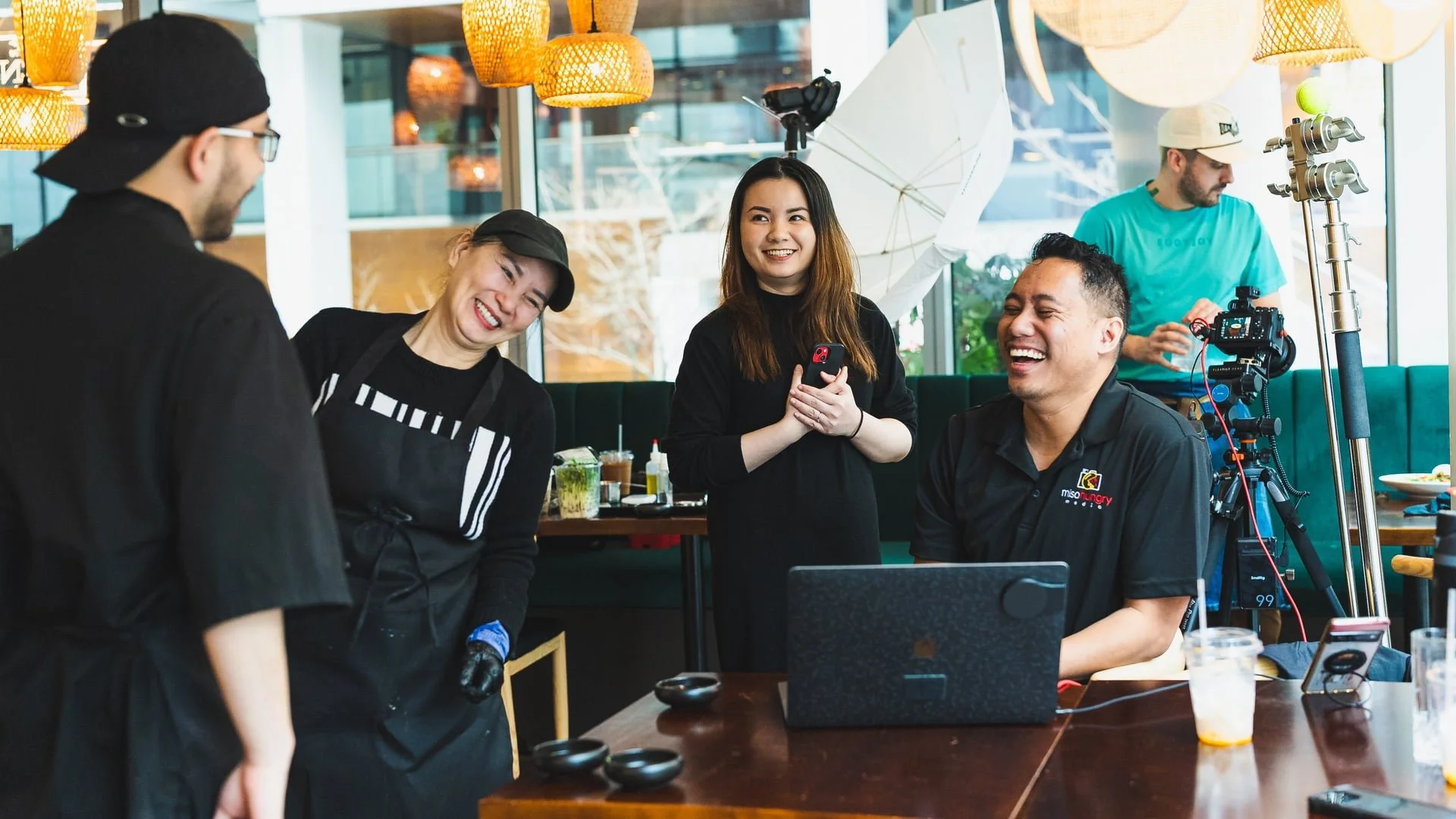
Let me guess. You’re excited about your upcoming food photoshoot, but the budget spreadsheet is open in one tab, and the timeline is already making you nervous. I get it. I’ve seen shoots go incredibly smooth… and I’ve seen them quietly fall apart because of tiny planning gaps.
The good news? A food photoshoot doesn’t have to be stressful or expensive to be effective. With the right structure, clear priorities, and a little flexibility, you can create strong food imagery that works hard for your brand and keeps everyone sane.
Let me walk you through how I plan shoots that stay on track without killing creativity.
Start With the “Why”
Before cameras, props, or even recipes, I always zoom out. What is this food photoshoot actually for? Is it:
Product photography for an ecommerce online store?
Social content for food and beverage brands?
A refresh of brand imagery?
Short-form food video or stop motion?
When you define this early, everything else becomes easier, especially budgeting. That only happens when the visuals are planned with their final use in mind.
This is where planning saves money. You’re not overshooting. You’re shooting with intention. In fact, companies that develop project planning save 28 times more money than those that do not.
Build a Shot List That Respects Time (and Food)
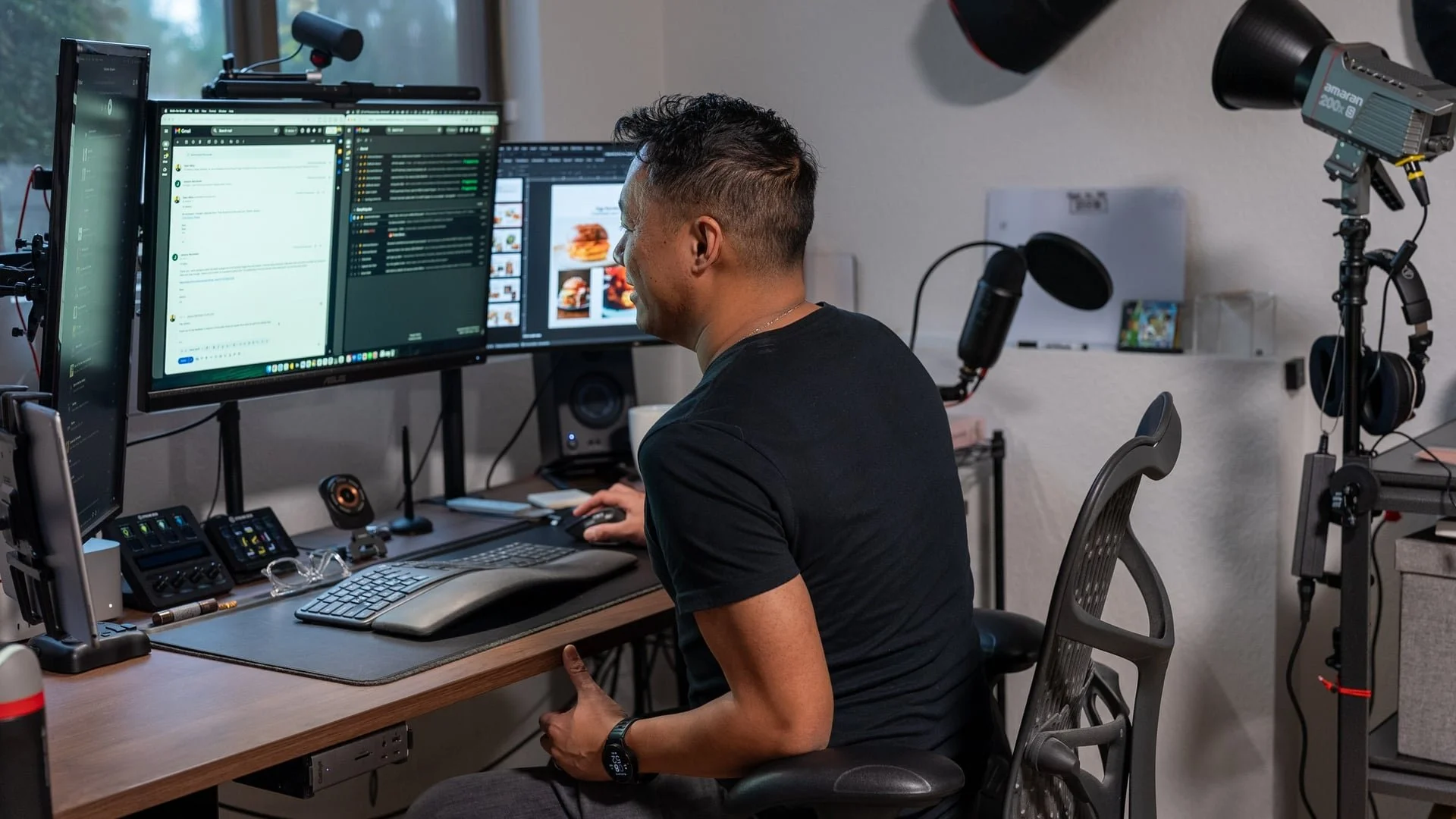
Next comes the backbone of every smooth product shoot: a realistic shot list.
I always break it into tiers:
Must-have food photos (hero shots, packaging photography, menu images)
Supporting visuals (lifestyle, ingredients, brand photography)
Optional extras like product video, BTS, or stop motion video.
This approach has helped me stay on schedule when shooting for brands like Truff, Zipfizz, and Elmhurst 1925, especially when both photography with food and motion are involved.
Food has a shelf life, and a tight shot list respects that reality.
Plan for Prep (Because Food Is Unpredictable)
Preparation is something people underestimate all the time.
Food styling, plating, melting ice, wilting herbs… all of it affects timing. Rushing leads to:
Extra image editing
Fixing problems in photo editing instead of on set
Higher costs later
This is especially true for drink photography, where condensation and foam need constant attention. I always build buffer time into the schedule. Not to slow things down, but to keep the shoot calm and efficient.
Use Trends Strategically (Not Just Because They’re Trending)
Right now, I’m seeing strong demand for:
Clean, minimal food images
Short-form food video for ecommerce and social
Subtle motion like cinemagraphs and stop motion videography
These trends work because they’re efficient. A single shoot can deliver product shots, product video, and social-ready assets without doubling the budget, if motion is planned from the start.
According to studies, video content increases brand recall by over 80%, which explains why brands are leaning into motion without abandoning still photography. The key is deciding early, never mid-shoot.
Communication Is the Real Budget Saver
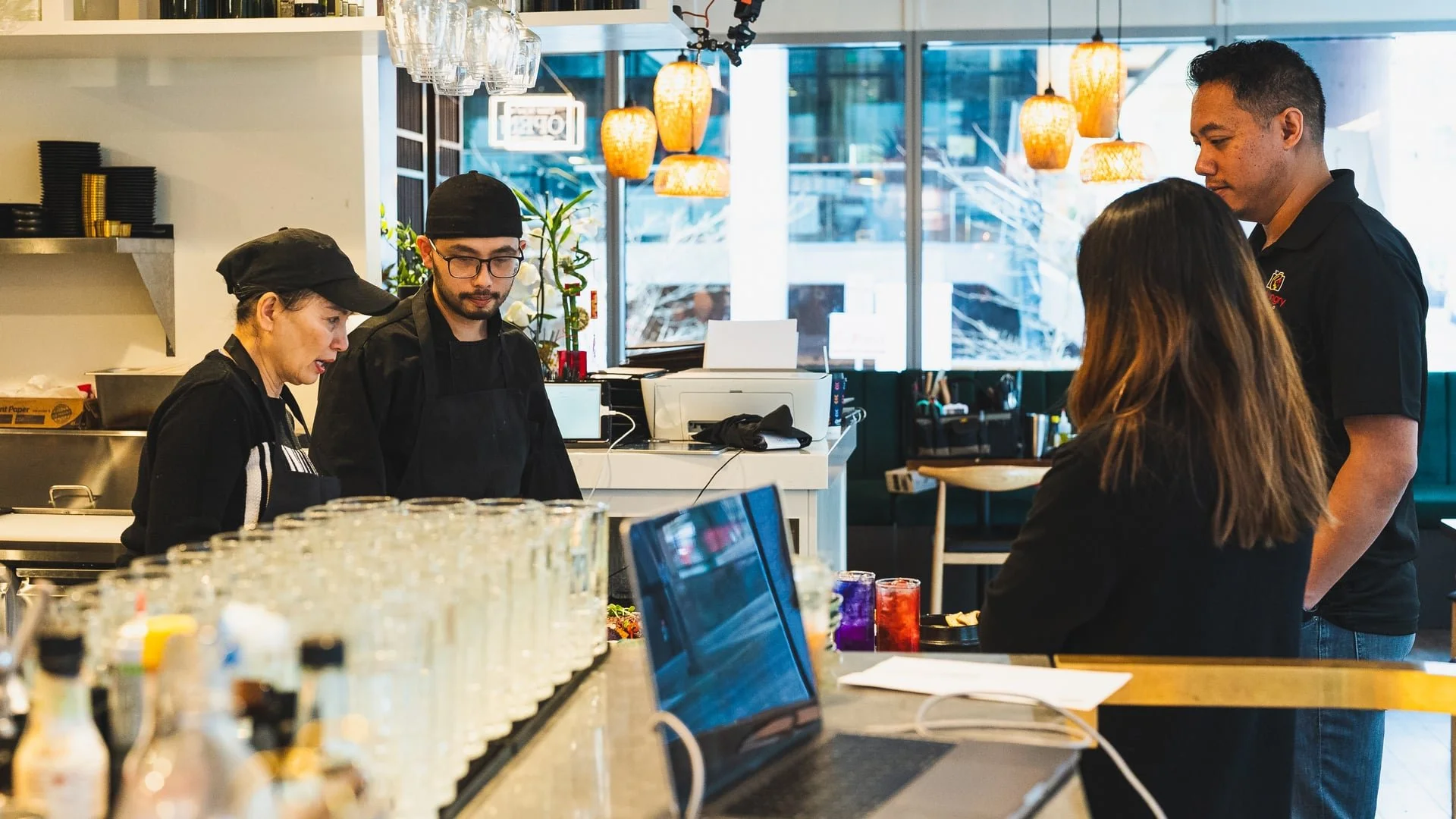
Honestly? Clear communication saves more money than any gear choice ever will.
When expectations are aligned early, the shoot flows. That’s why client collaboration has been key in my projects.
In fact, lack of role clarity contributes to project delays and resource misalignment in many organizations. A food photoshoot that stays on schedule and budget isn’t about cutting corners. It’s about clarity.
If you’re tired of rushed shoots, unclear timelines, or content that doesn’t quite hit, let’s change that. I help food and beverage brands plan intentional, efficient food photoshoots that stay on schedule, respect the budget, and still look incredible.
Let’s plan a shoot that works before the camera ever comes out.