How AI Helps Small Food Brands Compete With Larger Marketing Budgets
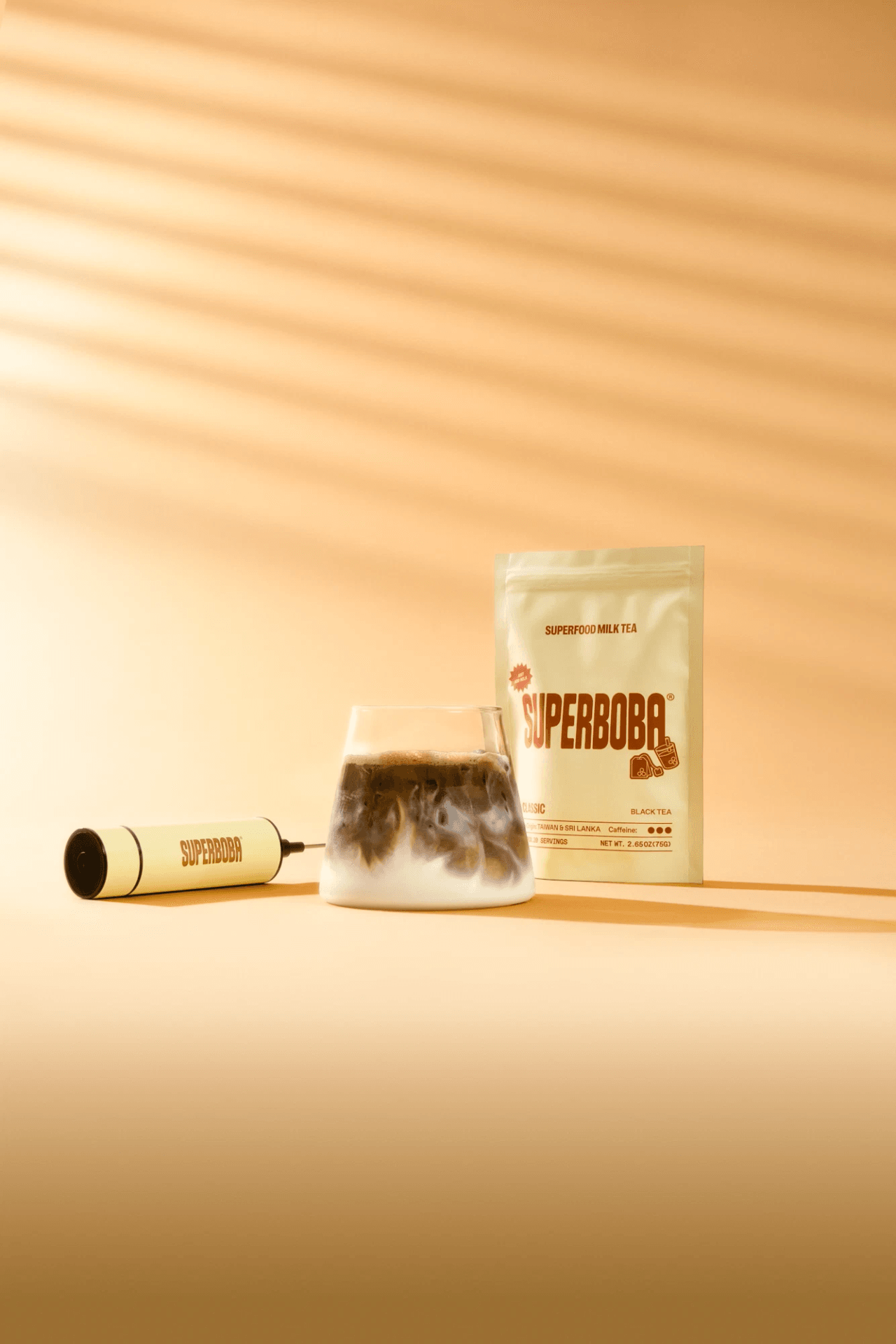
If you run a small food brand, you already know the pressure. Big brands have large teams, fully-equipped studios, and budgets that feel impossible to match. Meanwhile, you’re juggling content, launches, and an online store that needs to convert.
The good news is that AI has quietly become one of the most useful tools helping food brands compete without spending like a Fortune 500 company.
I see it every week through my work as a food photographer and creative partner. When used the right way, AI doesn’t replace people. It helps small teams move faster, think more clearly, and show up with stronger brand imagery.
Let’s break down how that actually works.
Trends Show Visuals Drive Conversions
Great visuals still matter. That hasn’t changed. In fact, visuals influence buying decisions more than ever. What has changed is how food brands get there.
AI now helps with early planning, idea generation, and even post-production. Instead of guessing what a product shoot might look like, it can generate visual references before a food photoshoot even happens. That means clearer shotlists, fewer revisions, and better results. For food brands with smaller budgets, this saves time and money without cutting corners on quality.
According to studies, AI tools are already improving creative efficiency across marketing teams, especially for small and mid-sized companies. Research reports that high-quality product photography directly impacts conversion rates for food and beverage brands.
AI Makes Planning Better, Not Cheaper
Pre-production is where most shoots either win or fall apart.
I use AI to help brainstorm concepts, lighting ideas, and compositions for product photography. Not as a final answer, but as a starting point. From there, I refine everything so it fits the brand, the packaging, and the goals of the campaign.
This approach has helped on projects with food and beverage brands. Having a clearer direction upfront keeps budgets tight and expectations aligned. Instead of spending hours sketching ideas, I have a starting point to refine. That saves time—and time is money—especially for food brands that don’t have big teams.
AI Speeds Up Editing Without Sacrificing Quality
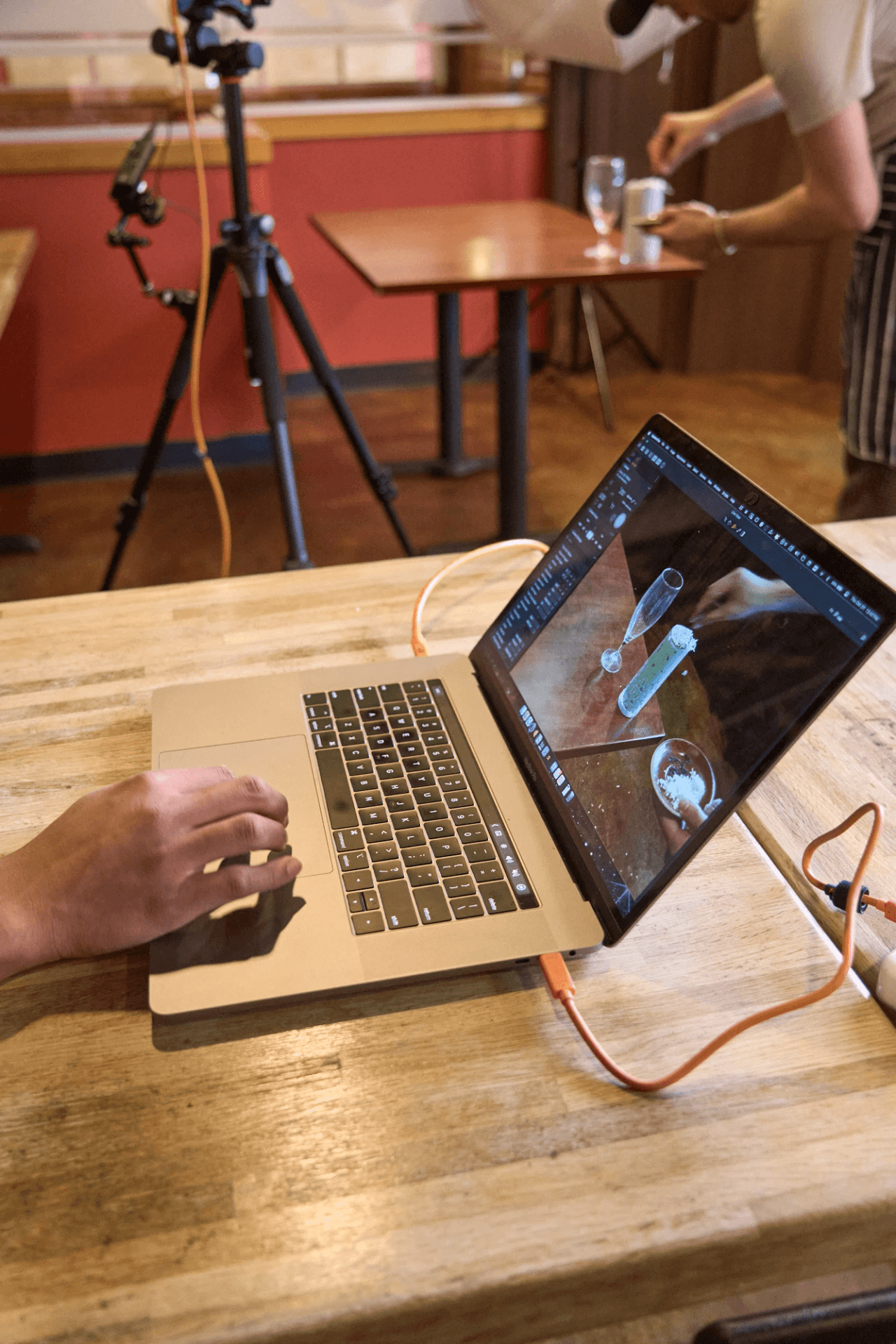
Post-production is another place where AI shines.
Cleaning up food images, removing distractions, and color matching—these tasks eat up hours that could be spent strategizing or shooting more content for your online store.
I use AI-powered tools inside Photoshop to help with image editing, cleanup, and small fixes. It speeds up tasks like removing distractions, smoothing surfaces, or refining food images. That means I can spend more time on color, texture, and the details that make food photography feel real and craveable.
This doesn’t mean I let AI run wild. On the contrary, I use it to accelerate the parts that bog me down, but I still refine everything by hand, so the final imagery feels real, appetizing, and on-brand.
Clients usually never notice AI was involved, and honestly, they don’t care. They care that the food photos look believable, clean, and on-brand.
How To Use AI Without Losing Your Brand’s Heart
Here’s the part I especially want you to hear. AI shouldn’t replace your voice or your creative intuition. It shouldn’t erase the things that make your food brand unique. For every tool I use, I treat it as a starting point. The real magic comes when human creativity takes over.
I don’t use AI to eliminate creativity or decision-making. I use it to get unstuck, move faster, and free up time to focus on storytelling. Every brand has nuance. That still comes from collaboration, experience, and taste. Those collaborations show how thoughtful visuals, storytelling, and attention to detail can elevate a brand without a huge budget.
AI Helps You Keep Up With Bigger Players
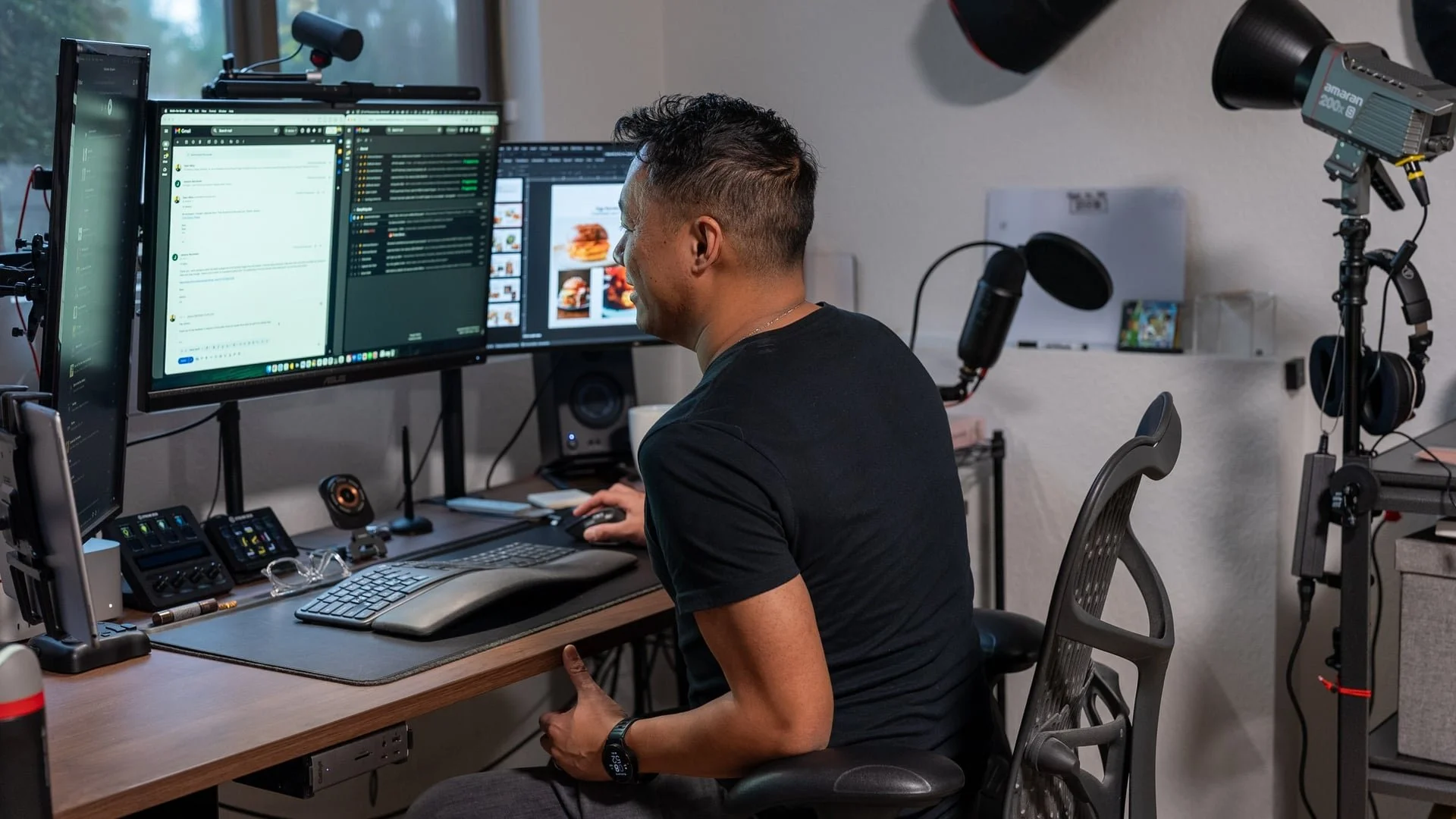
There's a growing consensus that AI gives small businesses a competitive edge, especially in marketing.
But the truth is, AI won’t magically fix weak branding or unclear goals. It’s when food brands pair AI with thoughtful strategy, professional food photography, and clear creative direction that it becomes a serious advantage.
You don’t need a massive studio or endless resources. You need smart tools, honest collaboration, and visuals that actually represent your brand. That’s how small food brands compete.
If you’re curious what that could look like for your products, let’s talk. I’m always down to explore ideas and see what actually makes sense for your brand.