Ethics of AI in Food Photography and Brand Transparency
AI is everywhere right now. It’s in our phones, our editing software, and yes, even in food photography. New tools, faster workflows, and hyper-realistic food images are popping up everywhere.
As a food photographer, I see both the excitement and the concern. Because ethics in food photography is not a trend; it’s becoming a requirement.
Let’s break down how AI fits into food photography today, where the line is, and why transparency matters more than ever.
Why AI Ethics Matter In Food Photography Right Now
Food photography has always been about trust. When someone sees food photos online or on an ecommerce site, they expect the product to look believable. That matters even more when you’re selling through an online store or launching a new product.
If AI is used to completely create food images that never existed, that trust can break fast. Consumers are smart; they can spot something that feels off, and when brand imagery feels fake, it hurts the brand more than it helps.
According to a study, 70% of consumers say trust in brand imagery directly affects whether they purchase. At the same time, it is also reported that consumers are more open to AI-assisted content when brands are transparent about how it’s used.
If food images feel fake or misleading, trust drops fast. Especially for CPG brands competing online, where customers can’t see the product in person.
How I Personally Use AI In My Photography Workflow
I want to be clear about something. I use AI. And I’m not shy about it.
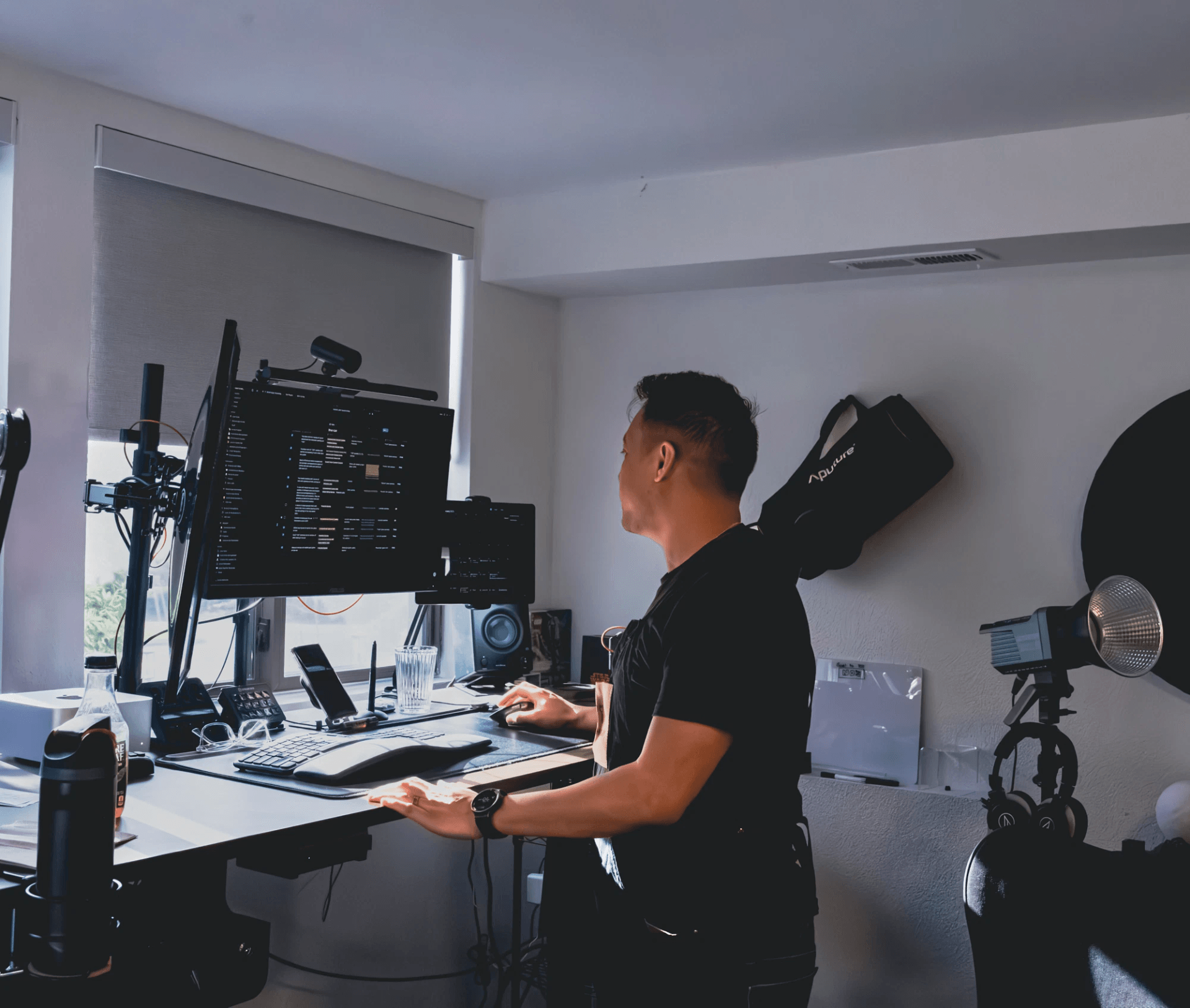
I use AI to help brainstorm ideas when I’m building shotlists for a product shoot. Sometimes I’ll generate a rough visual to show a client what I’m picturing before a food photoshoot. That helps us align faster and saves time before we ever step into the photography studio.
In post-production, I use AI features inside Photoshop to speed up image editing. Things like cleaning small distractions or refining edges. It helps me move faster, but the final look still comes from hands-on photo editing. If something looks off, I fix it manually.
But here’s the important part. AI never replaces actual photography. The food is real, the product is real, and the final look still comes from hands-on photo editing and creative judgment.
Where I Draw The Ethical Line
I don’t use AI to fully generate photos from scratch and pass them off as real. That crosses a line for me.
When I shoot for brands, the food exists, the textures are real, and the lighting is intentional. Even when we add subtle stop motion, it’s built from real frames of real products.
That’s important for transparency. If a brand ever asks how something was made, I can explain the process clearly. I even show the behind-the-scenes of my shoot, and people love it.
Industry Trends Brands Should Pay Attention To
Here’s what I’m seeing across food photography and ecommerce.
Brands are leaning into speed and volume, but not at the cost of trust. Short-form food video and stop motion videography are growing fast, especially for social and paid ads. At the same time, there’s a push for authenticity.
In fact, modern consumers reward brands that feel human and transparent, especially in digital experiences. That applies directly to food and product photos used online. AI can help brands move faster, but only when paired with real photography and clear communication.
Transparency Builds Stronger Brand Relationship
Most clients don’t care if AI helped speed up the workflow. What they care about is that the final product photos feel real and match their brand. Some clients don’t even notice AI was involved. Others ask questions, and I always explain my process because transparency builds long-term trust.
I’ve seen this firsthand while working on rebrands, menu updates, and product launches. When brands understand how photography with food is created, collaboration gets easier and results improve.
Food Photography Still Needs A Human Touch
AI will keep getting better; that’s not a bad thing. But food photography is still about taste, judgment, and knowing when something feels right.
Ethical food photography means using AI tools responsibly, staying transparent, and always putting the brand first. It means respecting your audience and protecting brand trust. Because food photography is still about making real products look appetizing, believable, and aligned with your brand story. And that’s something I’ll always protect in my work.
If you’re navigating AI and wondering what the right balance looks like, let’s talk. I’m always happy to walk through real examples, real shoots, and what works best for your goals.